

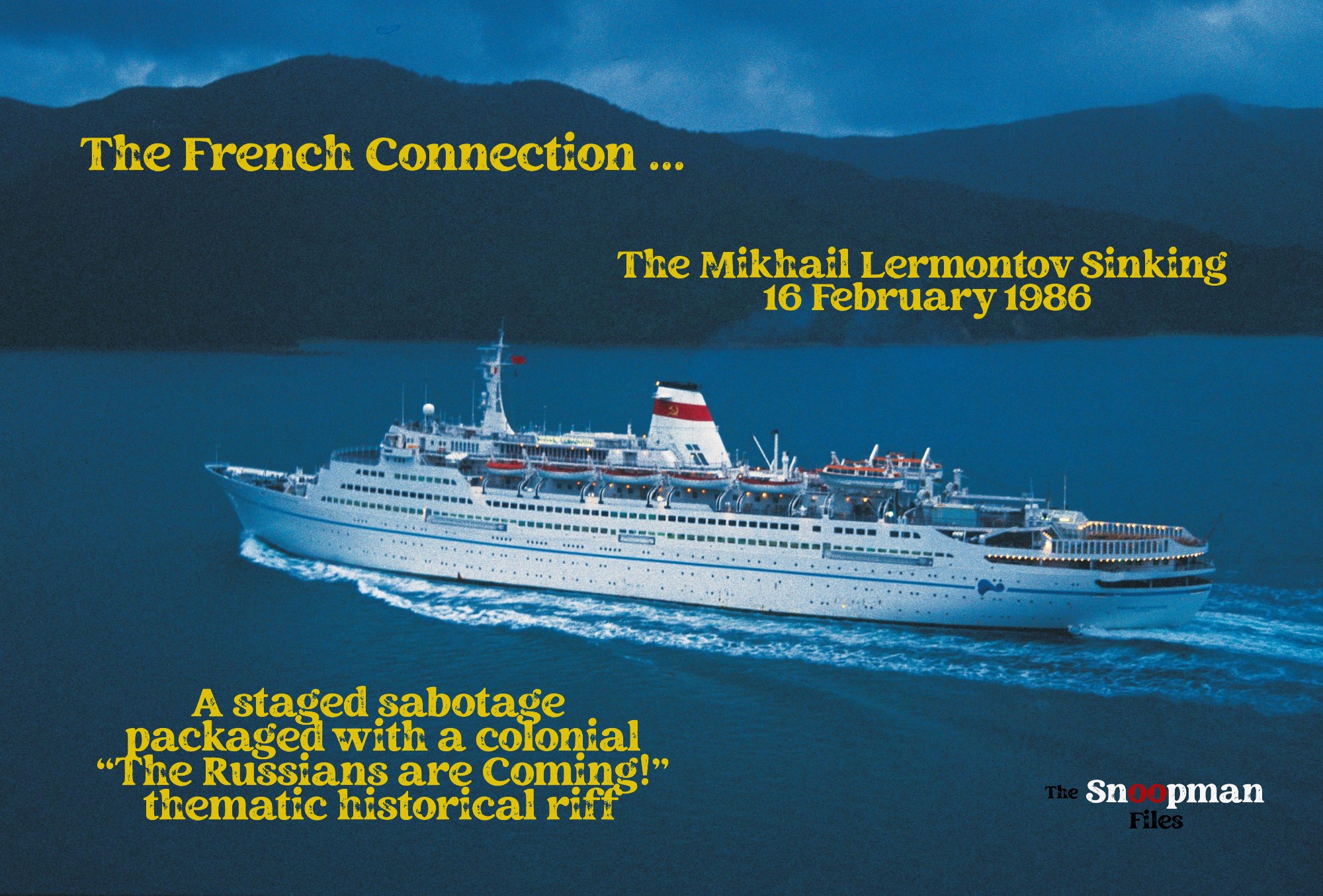

Decrypting the French Sabotage Mission of a 20,000-Tonne Russian Ocean Liner
This heretical dispatch is an anniversary version of The Russians are Coming! The Mikhail Lermontov Sinking published on July 19 2025, which was part 6 of the Darkest Days by Dates Down Under series that reveals how New Zealand’s issues, scandals and crises are thematically encoded with historical riffs to signal authorship, unity, scapegoats and caution — while telegraphing hidden aims — in plain sight. New Zealand's staged crises occur with spooky precision timing to riff off historical events so that the newsmaking psycho-dramatic terror theater, simultaneously performs as cryptic signals intelligence, boasts its ritualized spectacular power and functions to maintain discipline among a sinister cryptocracy that rules the nation from the shadows. See the full version on The Snoopman Files.

➳ Introduction to Mikhail Lermontov Sinking, 16 February 1986 — Death Toll: 1

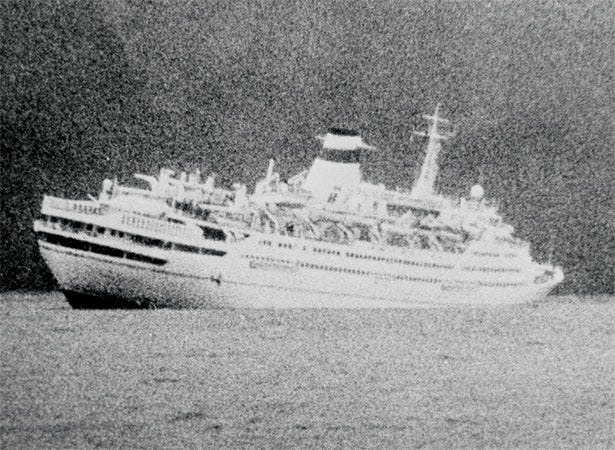
The sinking of a Russian cruise liner, the Mikhail Lermontov, on the evening of Feburary 16th 1986, could have been New Zealand’s worst maritime tragedy.
The Mikhail Lermontov sank in ‘33 metres’ of water in Port Gore Bay, after the engines failed and the ship couldn’t be beached, amid the incoming tide; 742 people survived.
One crew member, 33 year old refrigerator engineer is presumed to have drowned, in the ship’s bow by seawater rushing in from the port side hull, that rocks had severed like a sharp camping knife slices through a tin can. The ship was mortally wounded.
New Zealand Geographic described the loss of the Soviet-era ocean liner as “an act of avoidable and nonsensical waste”. This take is a common misreading of the event.
Amusingly, Russian President Boris Yeltsin once quipped that New Zealand had the distinction of being the only country to ever sink a Russian ship and get away with it.
For the 1985-86 summer cruise season in the Southern Hemisphere, the Mikhail Lermontov had been chartered to a UK travel company, “Charter Travel Club” (‘CTC’), in the South Pacific with stopovers in Australia, New Zealand, and the Pacific Islands.
Under Captain Vladislav Vorobyov, the ‘Poet Class Liner’ departed from Sydney on February 7 with about 740 passengers and crew on board, on a voyage billed as the “experience of a lifetime”. After stopping at the Bay of Islands, Auckland, Tauranga, and Wellington, the Mikhail Lermontov set sail from the capital on February 15.
The departure date, February 7 1986, from Sydney was like a portentious omen for a ‘worst of type’ staged disaster. For it was on the same day, that N.Z.’s worst shipwreck occurred, February 7 1863, when the HMS Orpheus sank, killing 189.
There was a glitch in the Lermontov sabotage mission. Evidently, the public address system was left switched on. After passengers heard the Marlborough Sounds Harbour Master say he was handing the navigation of the vessel over to the Russian bridge crew, they heard an argument on the bridge before the ship hit rocks.
The strange demise of the Mikhail Lermontov is a maritime opera plot packed with geopolitical intrigue, treason, and a cowardly fat-man who doesn’t sing when its over. And it features a corny story scenario that cast the pilot to play a scapegoat role, to take the blame, or go to jail and still take the blame. And the plot was codified with metaphor-laden historical date riffing, complete with a “The Russians are Coming” subtextual hysteria, that signalled the event was staged for geopolitical purposes.
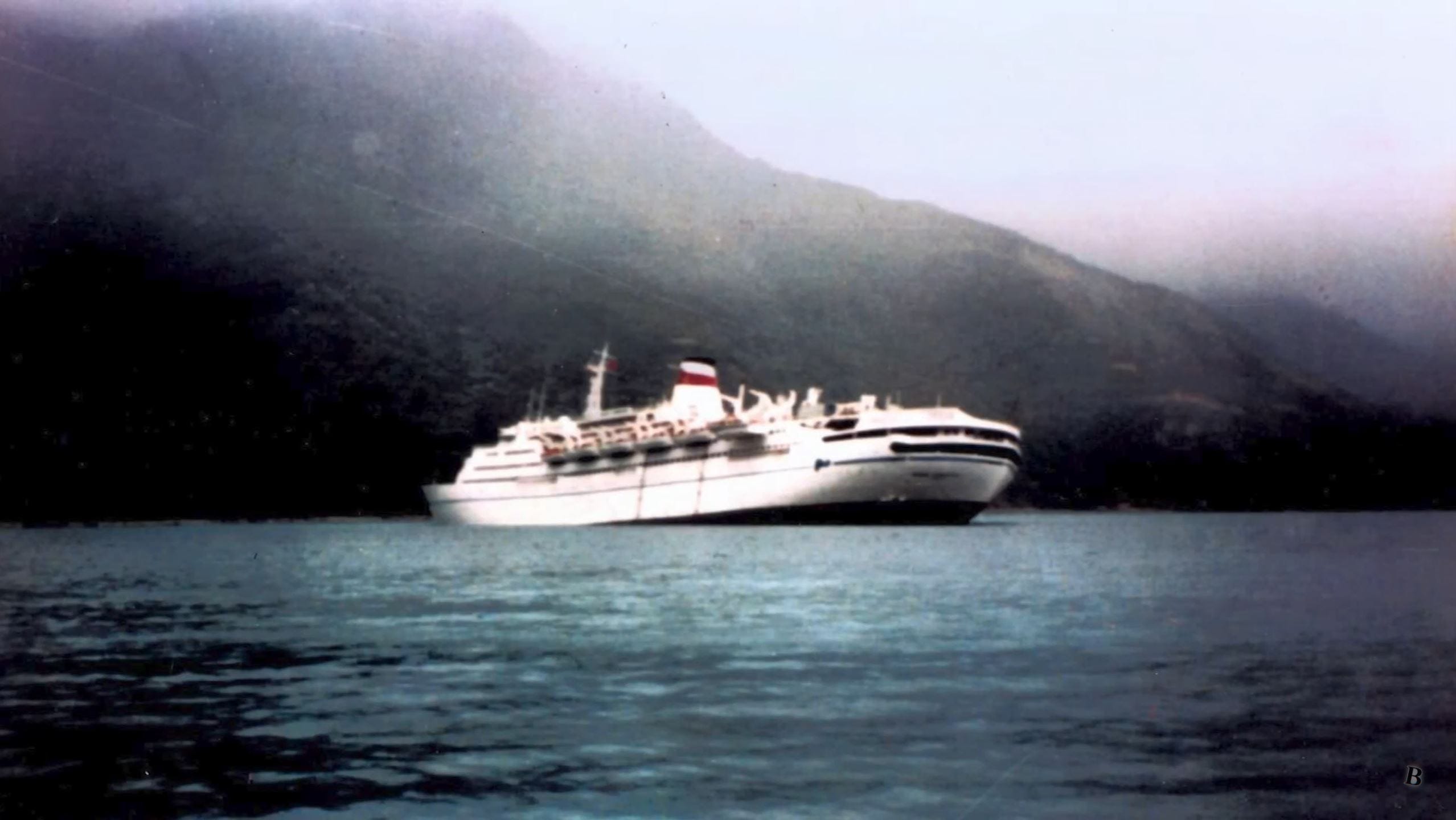
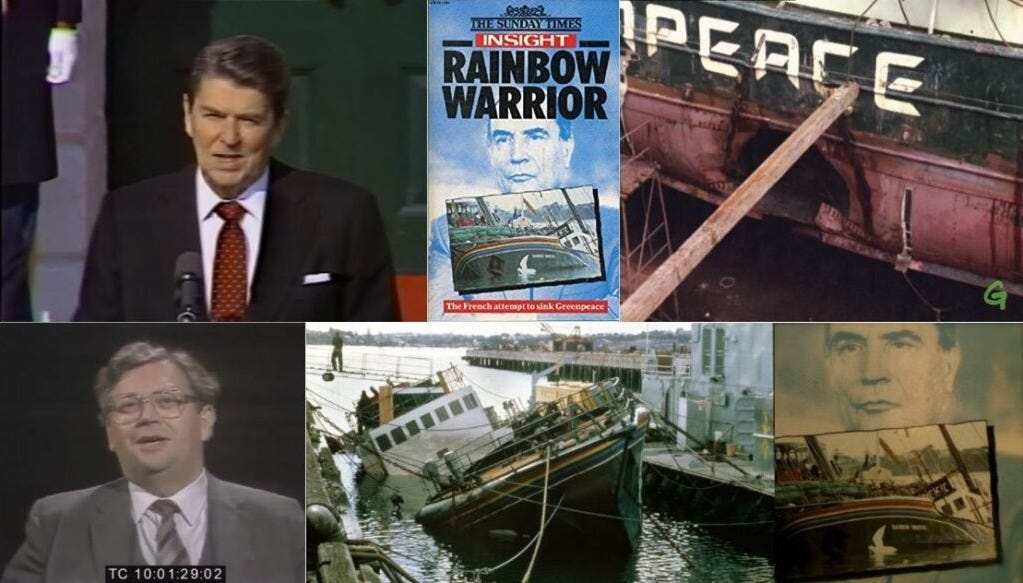
In the aftermath of the French DGSE’s bombing of the Greenpeace’s Pacific flagship, Rainbow Warrior, while at port in New Zealand’s biggest city, Auckland, on July 10 1985, tensions between President François Mitterand and N.Z.’s PM David Lange, occurred behind the scenes through emissaries, phone calls and symbolic moves.
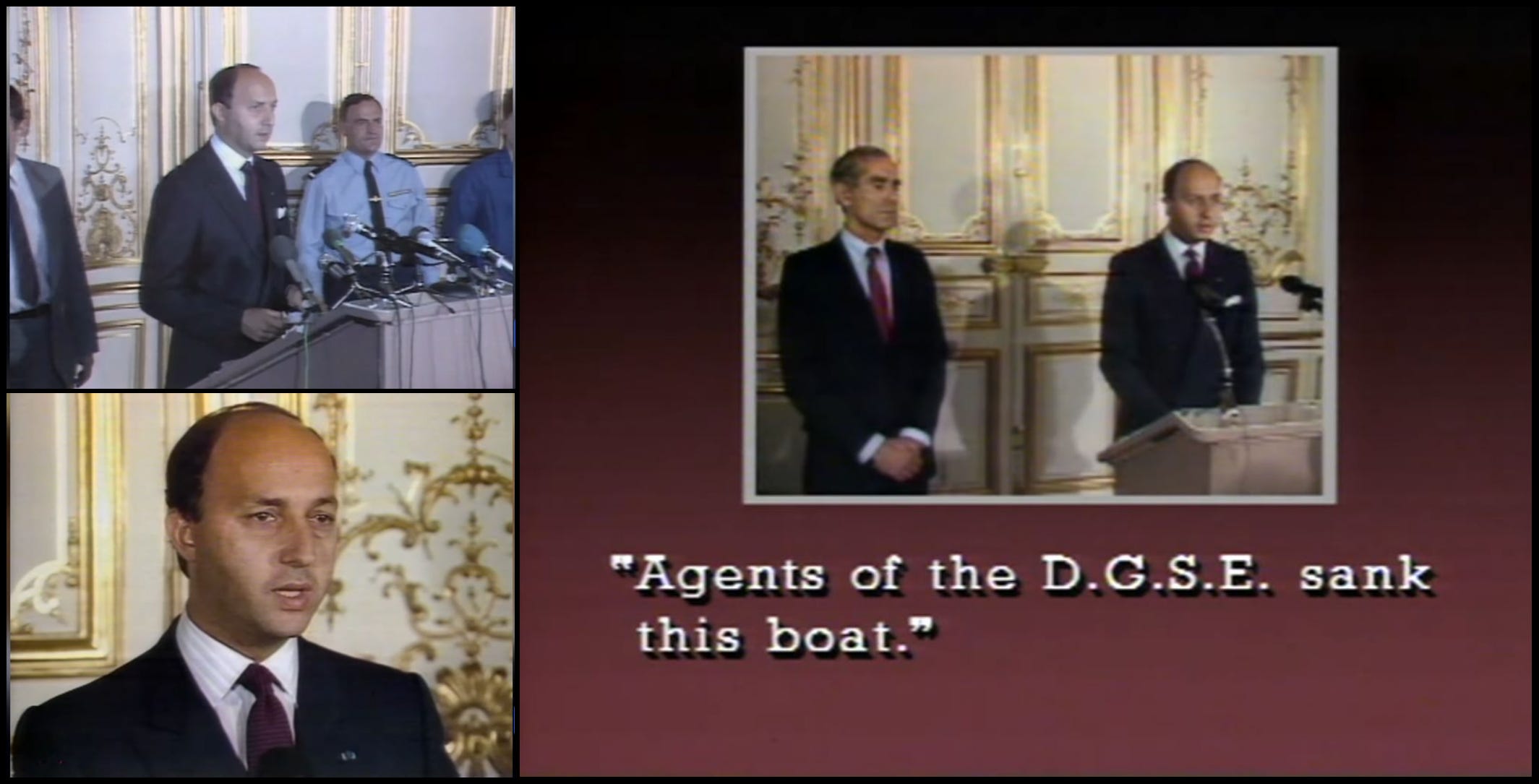
Snoop-readers will remember from the exposé, “40 Years Ago: The Rainbow Warrior Bombing”, that France’s equivalent of the CIA — the Direction Générale de la Sé-curité Extérieure (DGSE) — codified the event with a sovereignty-themed date riff.
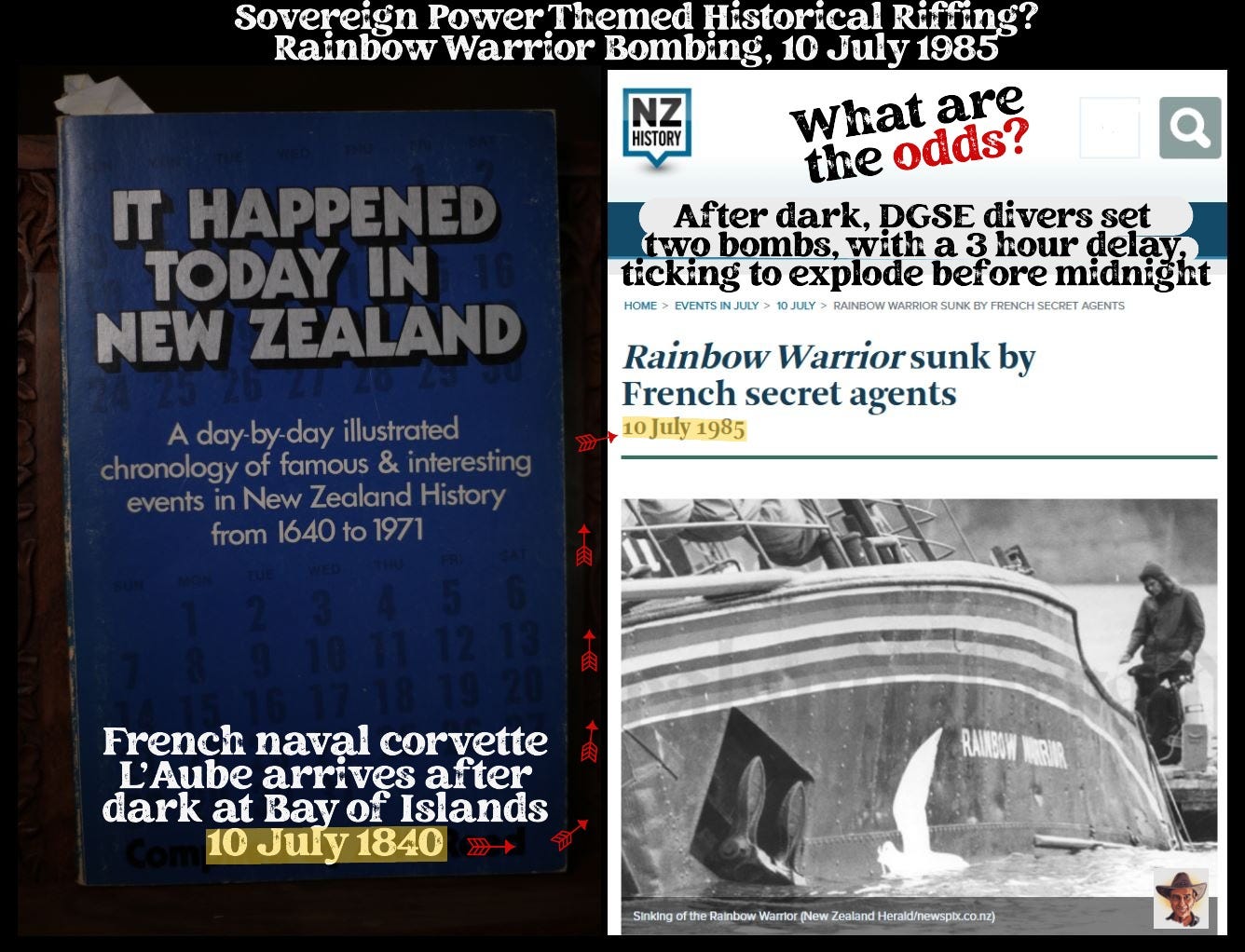
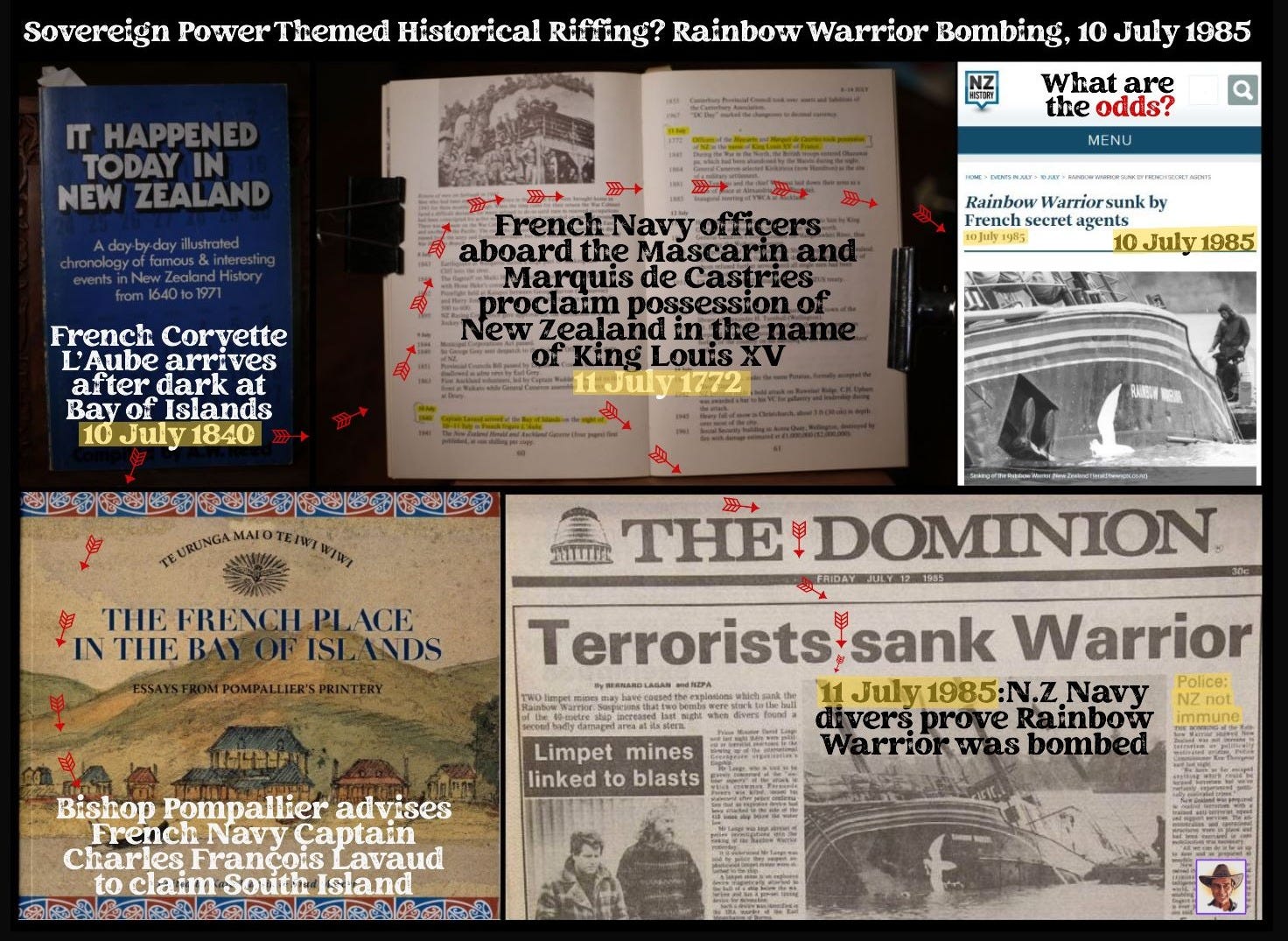
In 1840, on the night of 10 July, French Navy Captain Charles François Lavaud arrived in the Bay of Islands in the French frigate, L’Aube. But, Lavaud was beaten in his mission to claim the South Island as a colony of France by the Royal Navy warship, HMS Britomart. Captain Lavaud stated in his report, Akaroa, that Jean-Baptiste François Pompallier had advised him to press ahead and annex the South Island.
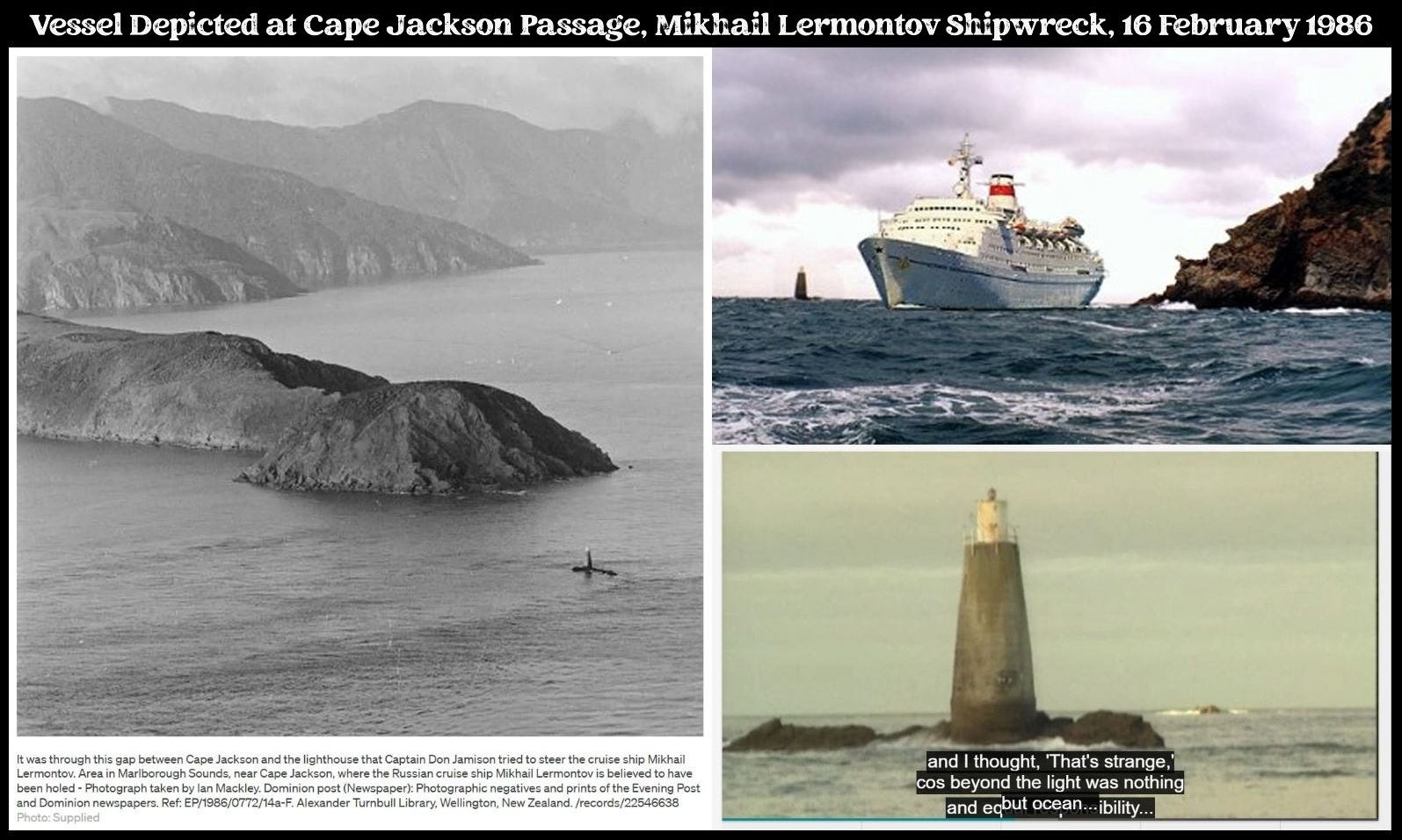
The official story of the Mikhail Lermontov’s sinking makes no sense, even to kids — who learn about lighthouses. The vessel struck rocks while attempting to make it through a narrow rocky passage even though the reef was marked with a lighthouse.
And since it was summer, it was still daylight at 5.37pm when the ship struck the reef.
Ergo, this dispatch attempts to answer why exactly the sinking occurred that evening, given that it’s timing was uncanny. The morning newspapers’ were essentially signalling: “The Russians Are Coming!” The date of the sinking is the dead give-away that the obvious damage control and the cover-up that set-in almost immediately, actually occurred because the sinking was a staged operation with local buy-in.
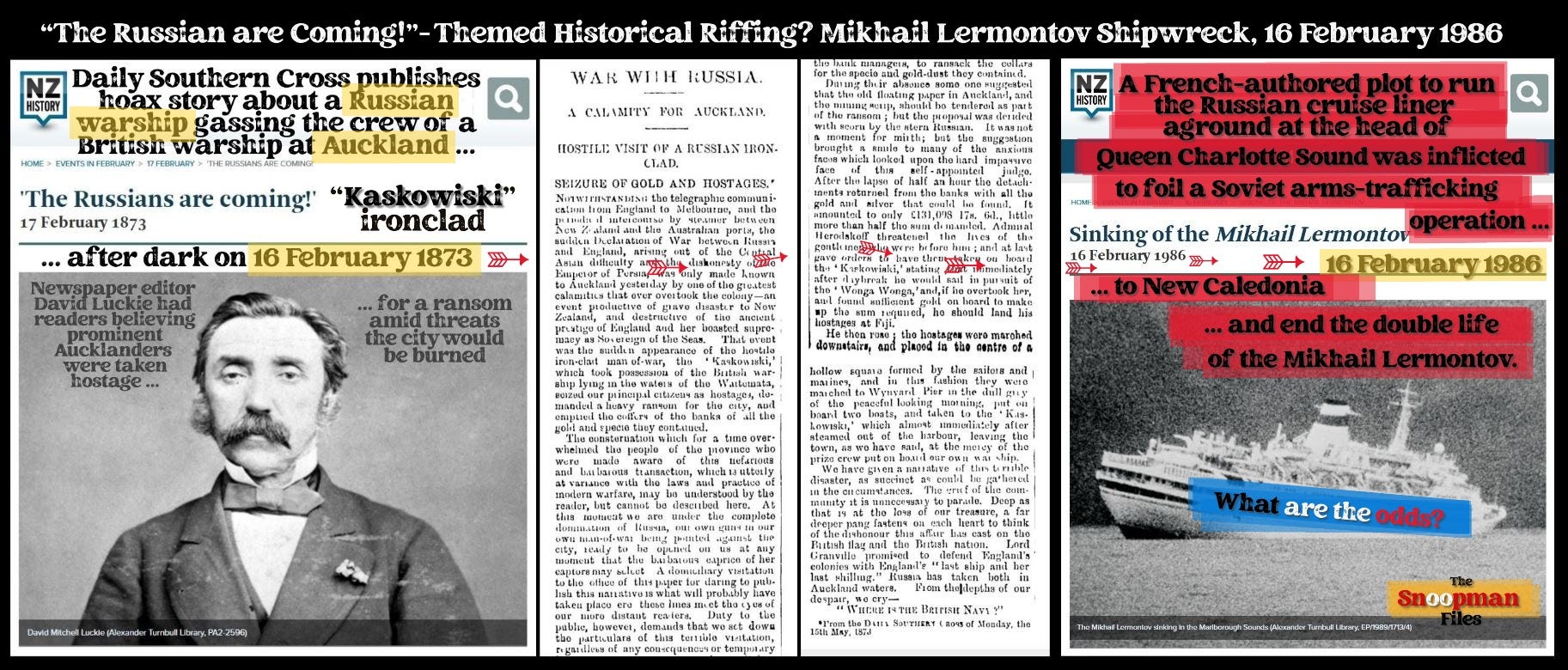
And so, the Snoopman presents a compelling case that the shipwrecking of the Soviet cruise liner required a novel fraud to stifle Russian expansionism in the South Pacific.
This ground-breaking dispatch is laced with historical riffing so intriguing, that Snoopman believes it reveals the ‘matrix code’ used by transnational deep state networks to signal their chess moves to one another as a looming season of hostilities approaches, and into the aftermath to control the damage as allegiances are jolted.
As a modus operandi, such historical riffing signals authorship, cooperation, caution and to telegraph objectives. The signals indicate players are communicating their cooperation to take a plot ‘live’, convey hidden objectives, and to broadcast psychotic humour, thereby posting themselves like hostages — as applied game theory predicts.
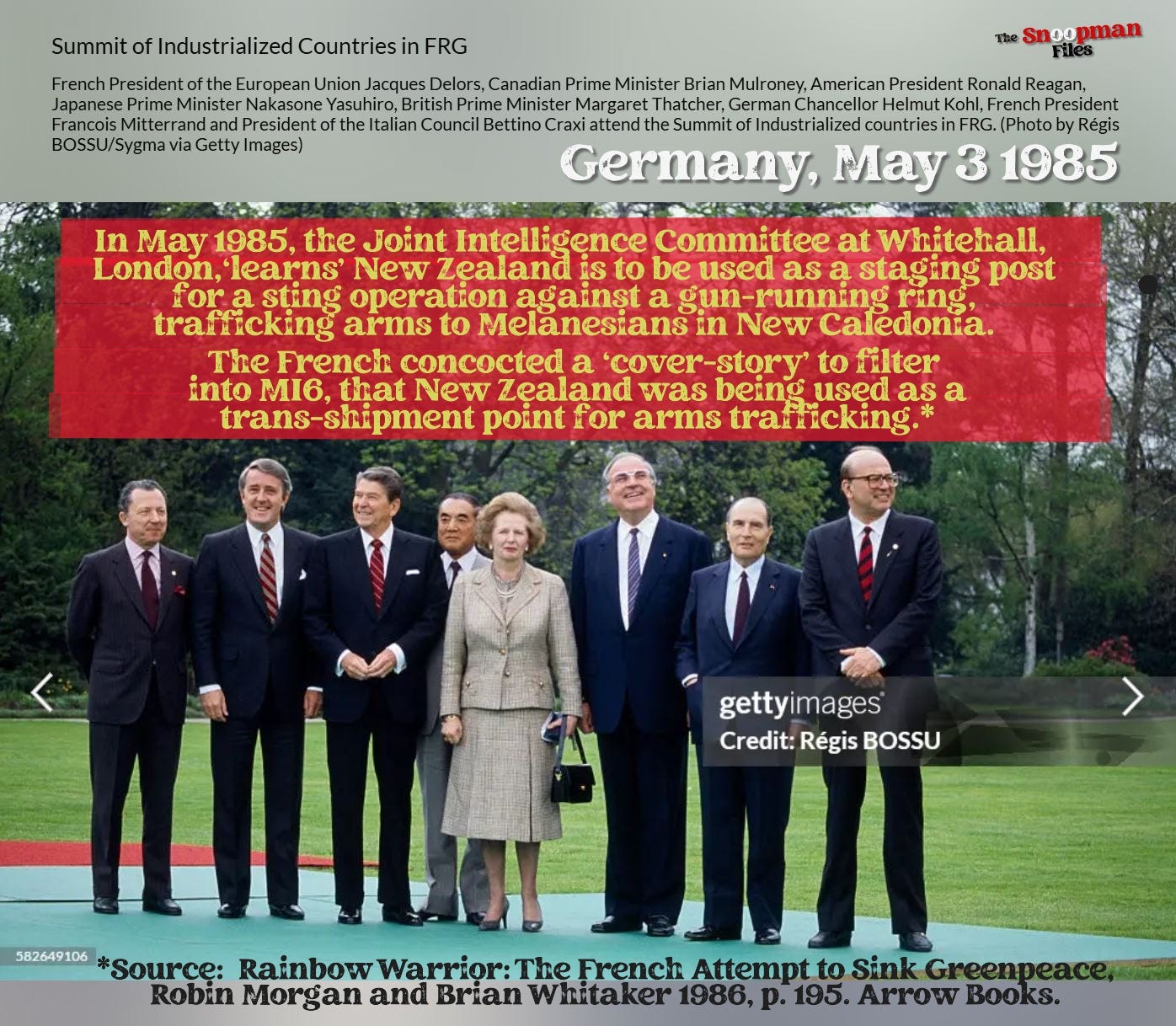
The plausibilty of another staged operation may seem far-fetched. Until you consider that in 1985, Britain’s MI6 had ‘learned’ the French DGSE were planning to use New Zealand as a staging post to foil a gun-running ring to Melanesians in French New Caledonia, as the Rainbow Warrior: The French Attempt to Sink Greenpeace, mentions.
But, the Sunday Times’ journalists stated the arms-trafficking ring was a cover-story.
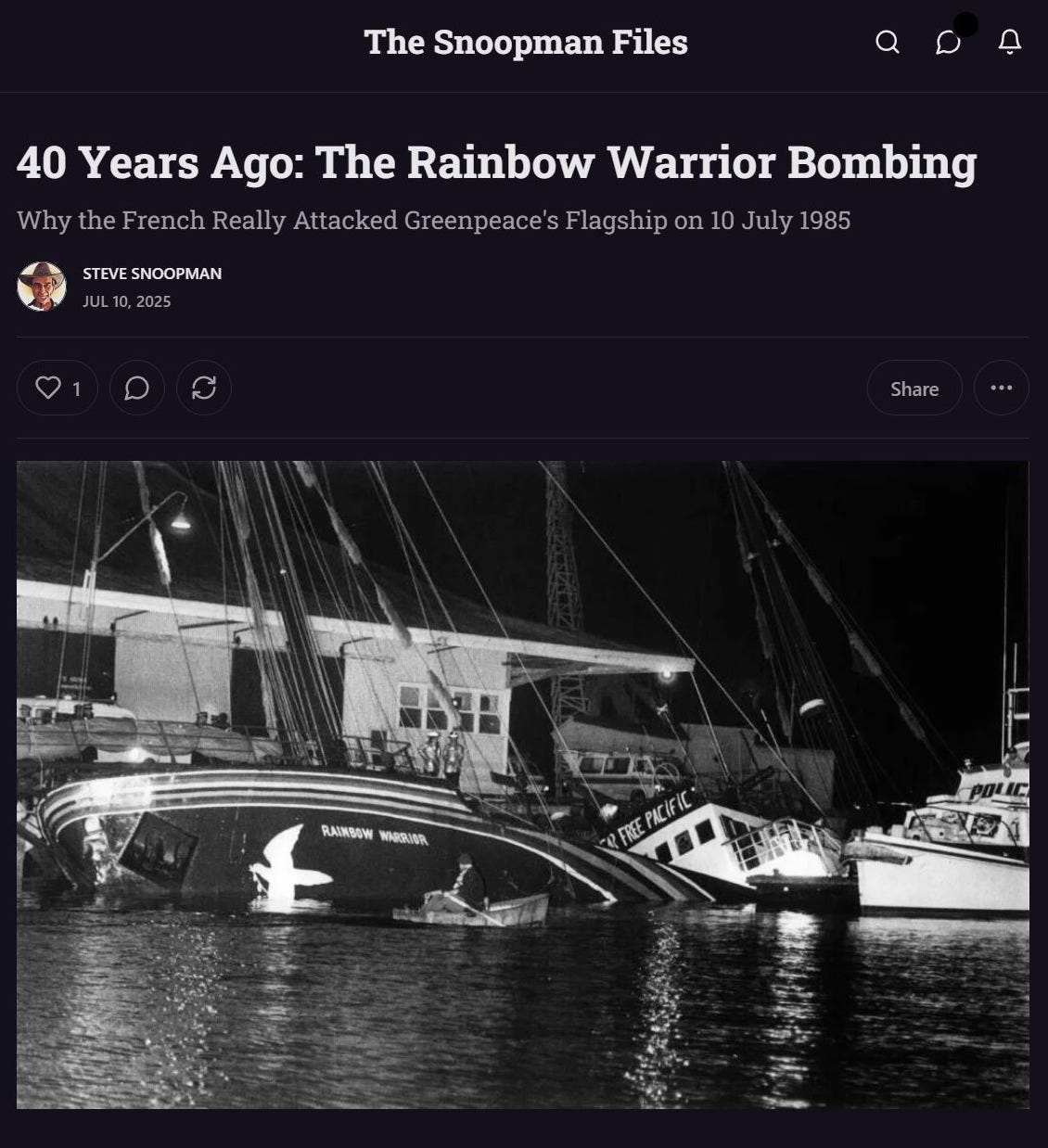
And that the French became hysterical when this intriguing data became news fodder in the aftermath of the Rainbow Warrior Bombing. The DGSE fed this coverstory, that the operation was just a sting, to their British counterparts at the Military Intelligence, Section 6 (MI6) to gain their buy-in, Sunday Times’ journalists wrote. The DGSE’s cover-story was a calculus to avoid MI6 stopping Operation Satanique.
And so, this mention of the French DGSE’s plans to use New Zealand as a staging post to foil a gun-running ring to Melanesians in French New Caledonia, was filed in Snoopman’s brain receiver for enough years to age a posh bottle of merlot. When he learned of the sabotage mission to sink the Mikhail Lermontov, Snoop-neurons lit-up.
Ergo, there lurks another layer to New Zealand’s recent past and the trail of meta-data reveals encrypted ‘glyphs’ or ‘runes’ of a network who ‘hex’ targets in terrible tricks.
Snoopman’s time travelling tale traces an epitome of evil most of his fellow monkeys might thunk could only happen in horror novels, epic noir flicks or grim stage plays.
As such, this heretical dispatch teaches snoop-readers how to apply Sherlock Holmes or Agatha Christie logic to Nancy Drew or Scooby Doo enduring mysteries, current crimes and unfolding news events in order to spot-light the spooky darkness.
➳ Key Findings:
New Zealand was used as a staging ground to foil a Russian arms-trafficking operation supplying the Kanaks of New Caledonia Melanesia via the Mikhail Lermontov. In the aftermath of the Rainbow Warrior Bombing, it was revealed that British spooks at MI6 learned that New Zealand was to be used as a staging post for a covert operation in New Caledonia. But until now, the French Connection to the Mikhail Lermontov shipwreck was not publicly known. The casting of New Zealand as the stage for a sequel in French-authored terrorism theater was signalled by the chosen date, February 16, since in the annals of New Zealand’s colonial newspaper history, the 47th day of the 1873, was the date when the Daily Southern Cross claimed a Russian warship had entered the harbour at Auckland and taken the city’s mayor hostage. Ergo, the Mikhail Lermontov Sinking was an ‘echo’ of the hoax news from 1873, to signal a staged sabotage-cum-terrorism operation — to the intelligence world.
➳ A Riddle Wrapped in a Mystery Inside an Enigma

For 40 years, the sinking of the Mikhail Lermontov, in the Marlborough Sounds on February 16 1986, has remained a riddle wrapped in a mystery inside an enigma.
The ‘French Connection’ behind the demise of the 20,000-tonne ship has laid hidden from the New Zealand people, and from the Australians who comprised the bulk of the passengers, and also to most of the Russian crew. The voyage was sabotaged.
The strange sinking of the Mikhail Lermontov, in Port Gore Bay, near Cape Jackson, is most remembered for being framed as an odd maritime misadventure by an overworked harbour master, who was overzealous in showing off the scenic sights.
The cruise ship, which was owned by the Baltic Shipping Company, had set sail at 3.10pm from the port at Picton, located at the top of the South Island of New Zealand.
The 155 meter-long vessel was sailing under the command of the Marlborough Harbour Master, Captain Donald I. Jamison, according to the official narrative.
At 5:37 pm, travelling at 15 knots, the ship struck rocks at Cape Jackson, while passing through a narrow channel on the shoreward side of Cape Jackson Lighthouse.
The ship’s hull buckled and ripped as the vessel travelled in the narrow strait between a rocky shoal with a lighthouse and Cape Jackson while dinner was in preparation.
The Mikhail Lermontov sank at 10.27pm on 16 February 1986 in Port Gore Bay. The noise was said to be deafening as bulkheads blew under huge water pressures. As gushes of air were forced outward, sounds of hissing, whistling, and squealing were emitted, and buckling, breaking and booming explosions. Only one person died.
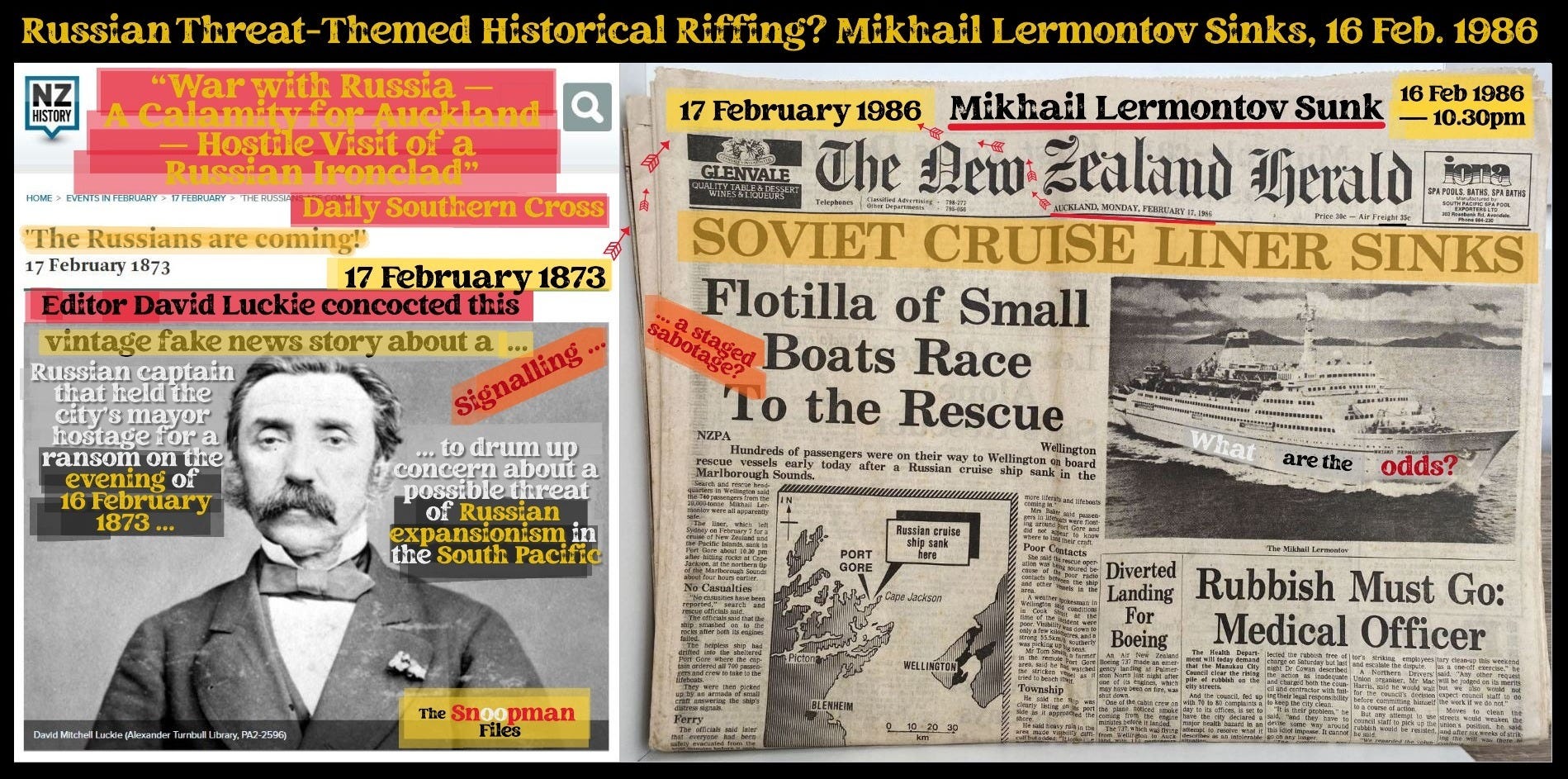
On February 17, New Zealanders woke to the alarming news that the Russian cruise ship sank, and an epic tragedy averted with the swift mobilization of local boaties.
One of the enduring mysteries of the Mikhail Lermontov Sinking was why exactly would the Marlborough Sounds Harbour Master of 16 years, sail the vessel through the rocky shallow channel between the lighthouse and the land at Cape Jackson?
The clue is in the date. And the date had everything to do with a hoax in the South Pacific archipelago’s maritime history that was intended to scare the young colony into military preparedness to repell Russian expansionism. And, the date also had everything to do with a fraud in the South Pacific archipelago’s maritime history that was intended to buy time for Britain to colonize New Zealand. And, that fraud was primarily to stifle French expansionism. Ergo, February 16 was a potent historical date.
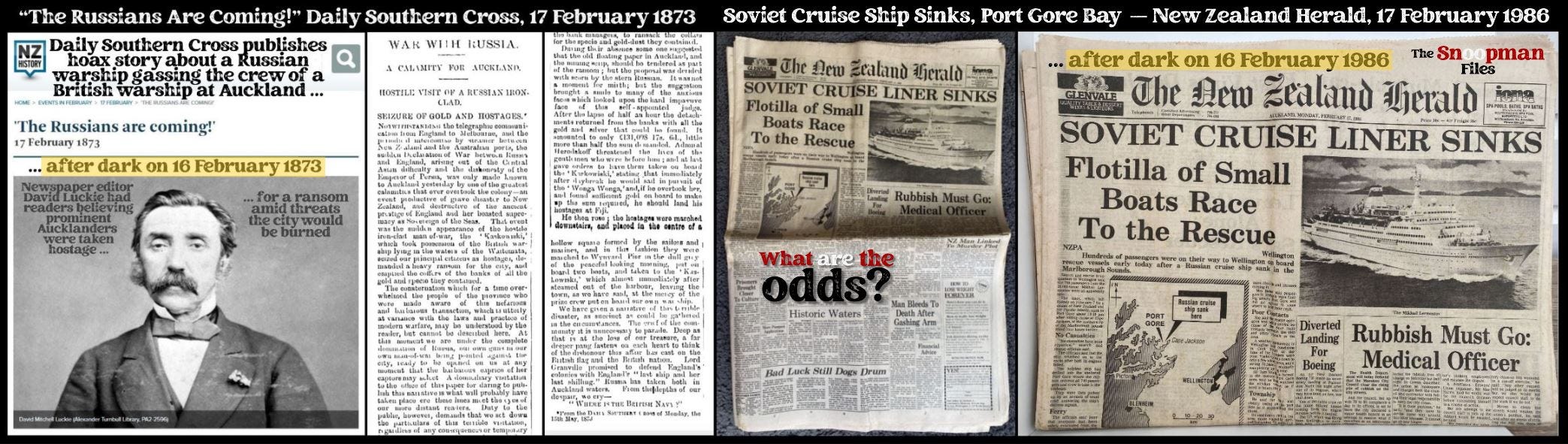
A colonial era Auckland newspaper, the Daily Southern Cross, published a hoax scare story about a Russian ironclad warship, amusingly called the Kaskowiski, that was said to have slipped into the Waitemata Harbour, in the wee hours of 16 February 1873. The city’s mayor was taken hostage, among other prominent elites, and a ransom paid.
Ergo, on 17 February 1873, Aucklanders awoke to the alarming news that a Russian warship had entered Auckland’s harbour undetected and landed troops.
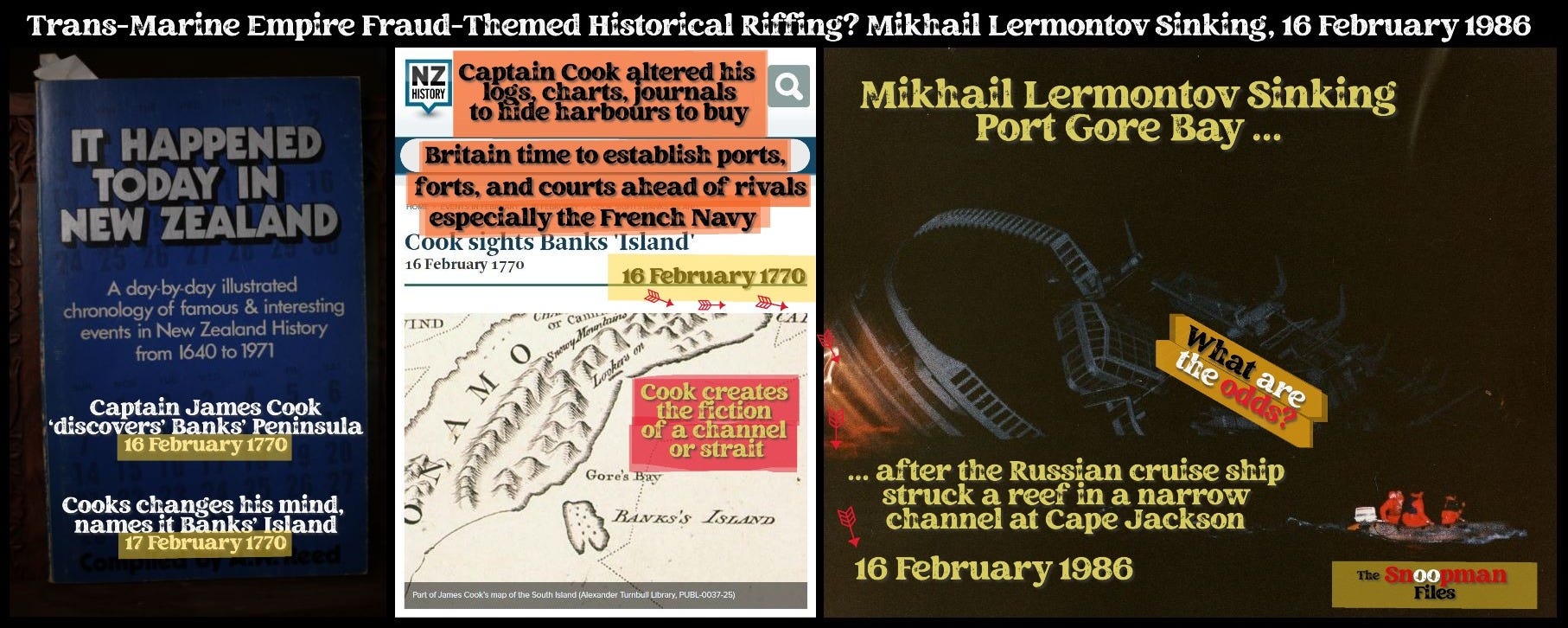
The date of the sinking, February 16, also carried potency with reference to New Zealand’s maritime history. On 16 February 1770, Banks Peninsula was sighted by Captain Cook. But, according to the book Lying for the Admiralty, Cook changed his maps, journals and diaries in Batavia after hearing of French vessels heading south.
Captain Cook hid harbors to buy time for Britain to establish settler colonies in New Zealand, with ports for trade. The sinking of the Mikhail Lermontov on the 16 February date was potently symbolic as a historical riff, since Captain Cook subsequently rubbed out his peninsula lines to create “Banks Island”. That is to say, Cook created the fiction of a narrow body of water, between ‘Bank Island’ and the ‘Mainland’ while he was in Batavia, Java, because he’d learned about the presence of French navigator Sieur de Bougainville, who had also been in the Batavia with two ships two days prior.
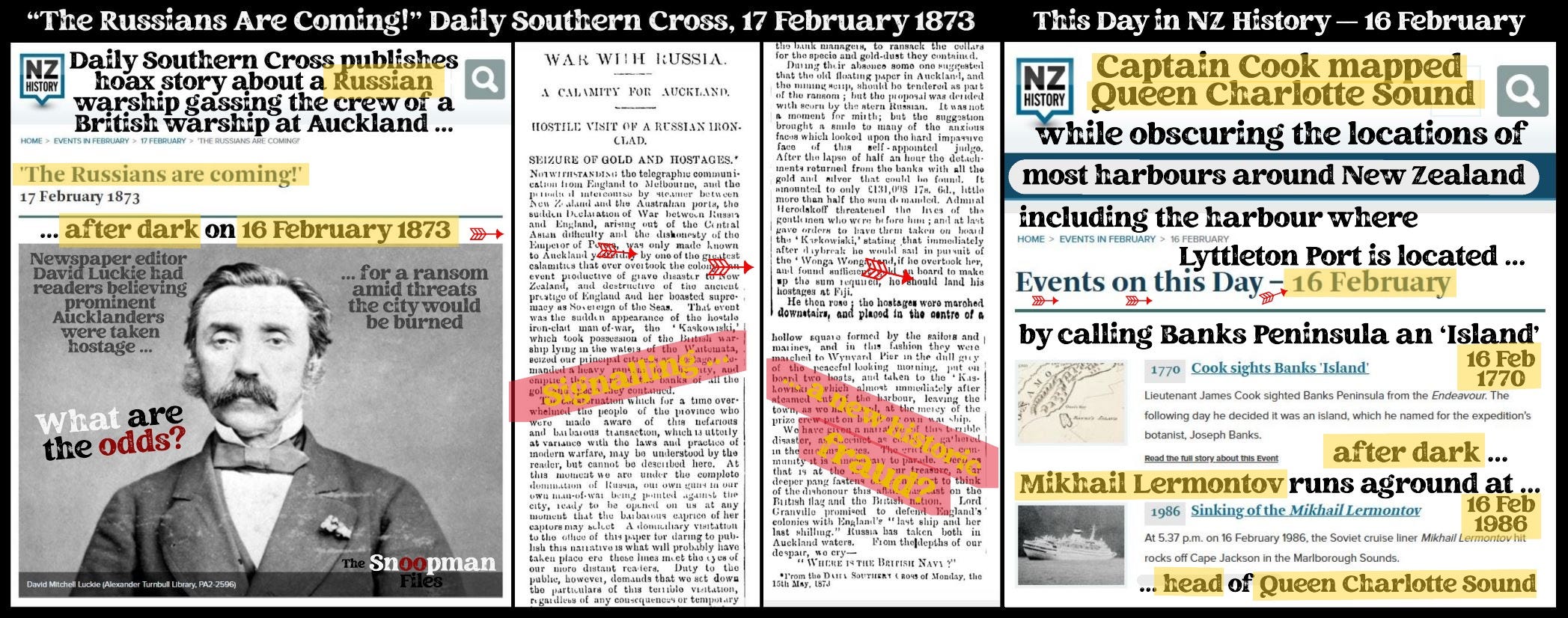
Ergo, Cook created the fiction of a potentially hazardous passage to pass through to hide the harbour located at the northern part of Banks Peninsula where the entrance to Lyttleton Port is now located. The French eventually formed a little settlement in Akaroa Harbour, located on the southward side of Banks Peninsula. Cook had charted the jaggery coastline of Newfoundland with the forbearance that the French could mount attacks after they were given nearby islands, St. Pierre and Miquelon. This wisdom sprang from a shadowy figure, Phillip Stephens, Secretary of the Admiralty for thirty-two years, de facto chief of the Secret Service and architect of empire.
And so, Captain Cook’s historical fraud to create “Bank’s Island” became a riff in the Lermontov’s sinking, by making the ship pass through a hazardous narrow channel. And “Gore Bay”, located in North Canterbury just to the north of Bank’s Peninsula, which was named by Captain Cook after one of his officers on the Endeavour in 1769, also became a riff, since the Russian cruise ship sank in Port Gore Bay late on Feb. 16.
Rather than accommodating the Australian passengers to allow time to interview them for their accounts of what occurred after sailing from Picton, they were rushed back on a flight over the Tasman Sea to Sydney on 17 February, the very next day.
Potently, on February 17th 1934, the first special trans-Tasman airmail flight by Lieutenant Ulm took place. Therefore, it was ironic to note that the Chief Marine Inspector’s ‘preliminary inquiry’ commenced on February 17th given that on February 17 1958, the first sitting of a permanent court of appeal occurred at Wellington.
The psychotic joke that “the Russians are coming” hit the news on February 17th.
When the survivors returned to Wellington Port before sunrise, there was a lack of Police to ensure that key people were detained for questioning. In spite of the Wellington Rescue Coordination Centre being active throughout the ‘incident’, and the fact the lives of 743 humans were in peril, the capital city’s constabulary remained tucked in bed, content that they’d taught the French not to mess with NZ, evidently.
And with this strategic withdrawal of security, Captain Don Jamison’s union colleagues spirited their man away from the authorities. On arrival in Wellington, Captain Jamison was under guard of two Russian officers, who did not let him out of their sight, said Captain Gary F. Neill, Marlborough’s Deputy Harbour Master. Union Secretary John McLeod arranged for Don to go the toilet and they gave the Russians the slip. Captain Brew lent Jamison a jersey to hide the gold braid of a captain, and they got past the Police as well, McLeod bragged in a documentary screened in 2000.
Captain Neill, the Deputy Harbour Master, said he visited Jamison at his home in the Sounds where he had been laying low, since the media hounded him for some time, not surprisingly. Gary Neill asked a while later why had he taken the ship through the Jackson passage and he replied that he “felt like he was driving off the road in the middle of the night, drifting off into the gravel.” Jamison kept to the fatigue narrative.
The naked truth is All The Prime Minister’s Men lied for the French Admiralty.
The geopolitical stakes were high at the tail-end of the so-called ‘Cold War’.
The French were planning to build a navy and air force base in New Caledonia.
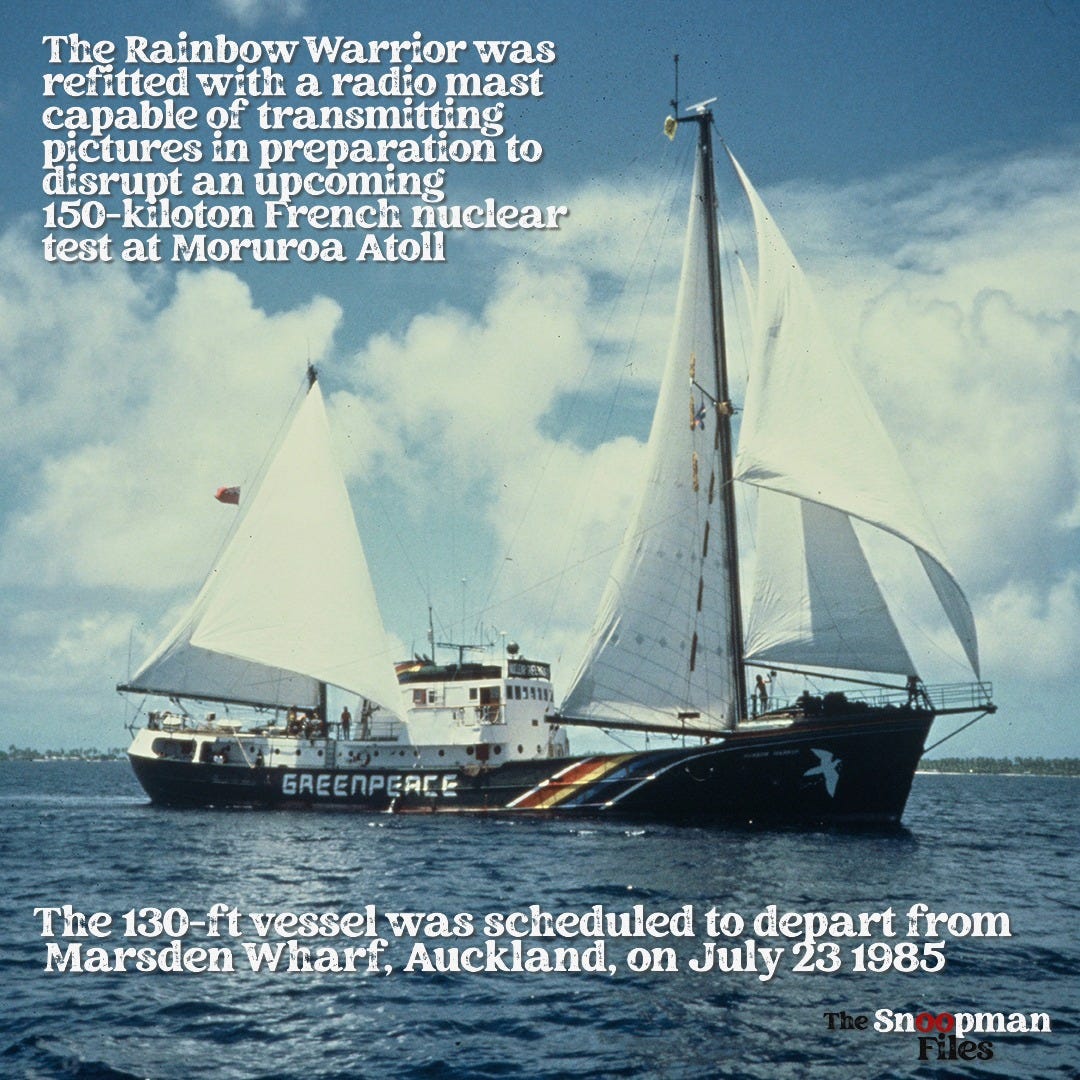
According to a snoop-source, Beehive officials faced a game of brinkmanship and they buckled. The exposure of the French Connection to the sinking of the Rainbow Warrior on July 10 1985, raised the geopolitical tensions. Greenpeace’s flagship had been fitted with a radio mast capable of transmitting pictures. The Warrior was to act as the supply ship for a flotilla that could sustain a vigil at Muroroa Atoll for months, thereby disrupt France’s planned subterranean nuclear tests — with publicity.
Prime Minister David Lange intended to make good on his election campaign promise to reintroduce legislation that would not only designate New Zealand as a nuclear-free zone. But, it would also contain the remit to lobby South Pacific nations to become nuclear-free zones. France couldn’t test nukes in the Mediterranean Sea.
The bomb plot wasn’t merely a sabotage mission targetting Greenpeace. The choice of location in port at Auckland was intended to show that New Zealand was not immune to international terrorism. The attack on the Greenpeace ship was also intended to create uncertainty about who was behind the attack for those outside the intelligence community’s inside track. The calculus was that Lange’s Cabinet would be brought around to staying in the ANZUS military alliance. The power logic was manipulative.
For those attuned to metaphor-laden ‘signals intelligence’, the date of the Warrior Bombing spoke for itself. The date, July 10, signalled state-sponsored terrorism.
Potently, it was on on July 10 in 1840 that a French frigate, L’Aube, arrived after dark at the Bay of Islands on a mission was to claim the South Island for France. When it is recalled that the setting of the two magnetic Limpet mines on the Warrior’s hull had to occur after dark, the thematic historical date riffing becomes politically charged.
A French DGSE frog-man, Colonel Jean Luc-Kister, who set the timers ticking said he never understood why they were ordered to make the countdown just three hours.
Crucially, it was this short timer delay that led to two French spies getting caught two days later. In 2015, Colonel Luc-Kister told Edy Plenel, the Le Monde’s police beat reporter who broke the story of a ‘third team’, that normally operatives are afforded 24 to 48 hours, so that by the time the bombs explode, they have skipped the country.
The first and biggest bomb exploded out side the engine room at 11:38pm and the second exploded four minutes later, on the propeller shaft. Only one crew member died, the ship’s photographer, who returned below deck to retrieve his camera.
The Royal New Zealand Navy divers concluded in the wee hours of the morning on 11 July that the Rainbow Warrior had been bombed. Lange was woken about the attack.
However, since the link to the French sinking of Greenpeace’s Pacific flagship was not supposed to be discovered by those monkeys outside a ‘classified circle’, the ‘Russian Question’ embroiled the Lange Administration. The fallout over the Warrior sinking caused the ANZUS military alliance rift to widen into a chasm, since the New Zealand Labour Party’s electoral mandate to legislate New Zealand as a nuclear free zone became a consensus at the South Pacific Forum summit in Rarotonga in early August of 1985; a draft text was agreed upon. The tensions between Mitterand and Lange occurred behind the scenes through emissaries, phone calls and symbolic moves.
The excuses made by Lange about French threats to New Zealand’s trade when it became apparent he had capitulated over letting the two convicted French DGSE agents, Major Alain Mafart and Captain Dominque Prieur, be transferred to Hao Atoll, in a deal supposedly brokered by the U.N. Secretary General — was theater.
The Rainbow Warrior bomb plot itself was a staging mission to firm up plans and logisitics to sink the Mikhail Lermontov in early 1986 before its Pacific Islands cruise.
François Mitterand told the White House that if Lange didn’t back down over French culpability for the Rainbow Warrior Bombing — France would leave the Pacific to the Russians. And so, the Lange Administration capitulated. The case against the two captured French DSGE Agents was rushed to court. The charges of conspiracy, and murder were dropped, and instead they were convicted without trial after pleading guitly for manslaughter and arson. Yet, Alain Mafart and Dominique Prieur had transferred the Zodiac dinghy, the dive gear and the limpet mines at a motel unit owned by Lange as an investment property. The French DGSE used Lange’s motel unit three times, as the NZ Security Intelligence Service found. This is the real reason why Lange said the bombing wasn’t just sabotage, but also terrorism aimed at him.
But, the rot had spread immediately. The Beehive’s Officials Terrorism Committee met for the first time after Police detained Mafart and Prieur, on Friday 12 July. NZ’s SIS claim they advocated for the scope of the investigation to be widened once the two French agents were caught. The DGSE attack team crossed the Cook Strait the day prior, Thursday 11 July at 4pm on the Arahura Ferry. And they kept a low profile skiing near at MT Cook. Colonel Jean-Luc Kister, who set the two bombs to the hull, and support diver Jean Cammas (alias Jaques Camurier) skipped the country with false passports on the 26th of July 1985, flying out from Auckland International Airport.
Ergo, under the noses of Police National Headquarters, the Ministry of Defence, the SIS, and the GSCB, the French bomb team boared a ferry in a Horizon camper van and disappeared over the horizon to lay-low as French tourists — as spooks might expect.
Outwardly, Lange played the principled politician, while he kept negotiations between his private secretary, Christopher Beeby, and the French Government secret; most of his cabinet didn’t learn of them until they were well-advanced.
Initially, Lange had pursued line to bring France to heel, talking toucg on TV.
Naturally, these developments would have got ‘stuck in the craw’ of President François Mitterrand’ and his brother, Jaques Mitterand, who was the Grand Master of the Grand Orient de France, or French Templar Freemasonry. For his part, the French President was a conservative Catholic educated by Jesuit teachers who applied a Jesuit education model. He claimed he became agnostic after observation of Nazi concentration camps at the end of World War II. Although President Mitterand won power on a socialist party ticket, this brand did not even penetrate Mitterrand’s skin wrote Richard Cottrell, the author of Gladio: NATO’s Dagger at the Heart of Europe.
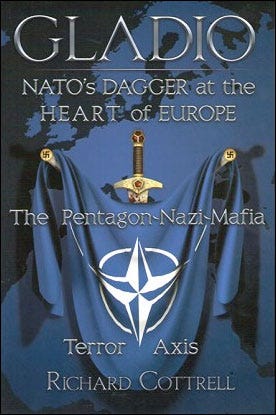
Amusingly, Cottrell said François Mitterrand’s political personality was fluid and his pre-World War II schooling was in a “nursery of political parties that skidded to a halt a hairsbreadth short of full-blown fascism”. Ergo, a socialist uprising by the Kanaks would surely lead the French DGSE spies to wonder if the KGB commies were supplying arms and ammunition to destabilize France’s hold over New Caledonia.
In his New Zealand Listener article “Blood on their Banner” (27 October 1984), David Robie reported on the competing interests in nickel-rich New Caledonia.
Robie wrote that the Kanaks’ independence movement had been frustrated by the South Pacific Forum leaders, meeting in Tuvalu during August 1984, because politicians again cautioned against putting too much pressure on France. Jean-Marie Tjibaou, who was at the time of the Kanak independence movement, and Vice-President of New Caledonia’s Government Council, the highest elected post, told Robie he had felt disillusioned. However, David Lange’s sudden “reconnaissance mission” to Nouméa in early October 1984, changed that feeling of hopelessness.
In the mid-1980s, New Caledonia had 13,000 guns. According to 2022 data from the High Commission of New Caledonia, there were 64,000 registered privately-owned weapons and somewhere between 64,000 and 128,000 additional unregistered weapons.
In an email to Snoopman, Dr Robie said there wasn’t any real evidence of gun shipments to the Kanaks in the 1980s. “Weapons back then were a motly collection of hunting rifles and old ex-service guns”, he said. Dr Robie was aboard the Rainbow Warrior’s mission in 1985 to relocate 320 Rongelap Islanders, who continued to suffer the impacts from exposure to radioactive fallout from the explosion of a hydrogen bomb, called Bravo, on nearby Bikini Atoll in 1954, thanks to the Unites States.
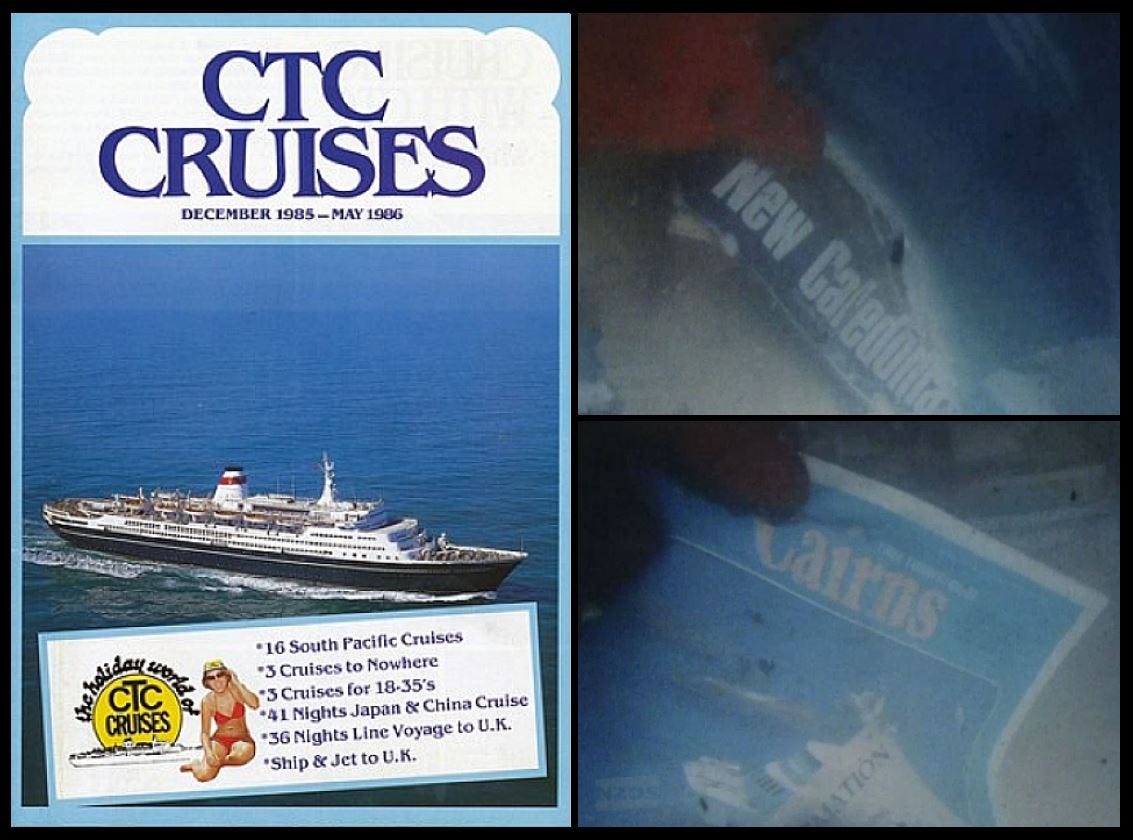
Ironically, when divers found wet CTC Cruises travel brochures for Pacific destinations such as New Calendonia, floating in the wreckage of the Lermontov in 1986, they didn’t know the sinking’s purpose was to foil an arms trafficking operation.
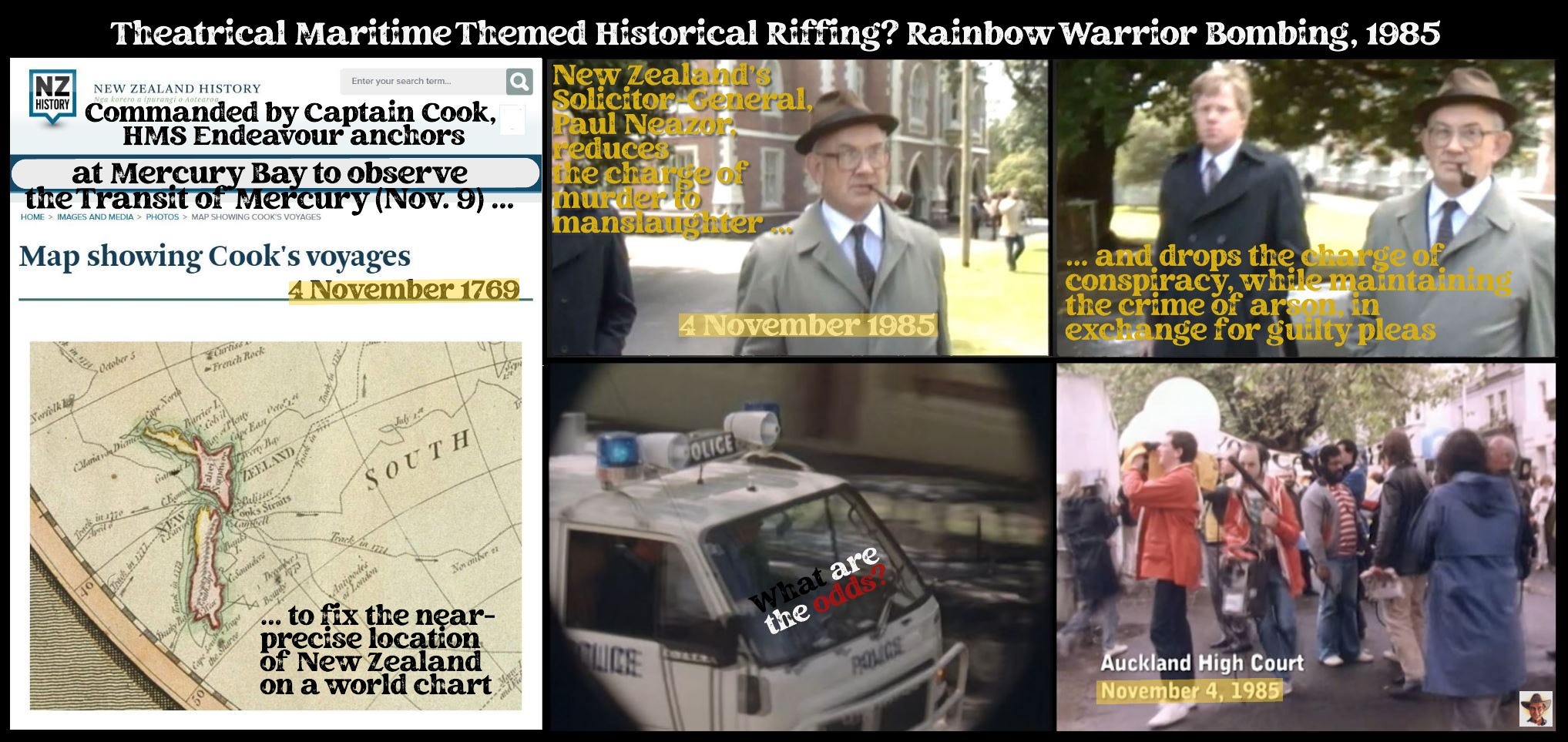
Lange maintained the theater that his government would be tough on the French. His capitulation was out-sourced to the Solicitor General, Paul Neazor, who informed High Court Justice Ronald J. Gilbert that the two accused were prepared to plead guilty to the reduced charges of manslaughter. Judge Gilbert accepted this politicized farce. The guilty plea at the rushed pre-trial proceeding short-circuited a trial.
The date of this court theater was November 4 1985, which thematicially riffed off the historical date, November 4 1769, that Captain Cook anchored at Mercury Bay on the Coromandal Peninsula from where he would observe the Transit of Mercury five days later and fix the near precise location of New Zealand on the globe. A mercury barometer is a scientific instrument, that was invented by Evangelista Torricelli in 1643, to measure atmospheric pressure using a vertical glass tube filled with mercury. And mercury, as any child with a fever learns, is a highly toxic liquid element used in thermometers to measure body temperature. Ergo, the November 4 court farce took the fever out of the political temperature to avoid N.Z. being ‘deep-freezed’.
The White House was told by Mitterand that if Lange didn’t back down over French culpability for the Warrior Bombing — France would leave the Pacific to the Russians.
➳ The Cover-up: A CIA Connection to the French Connection?

The strange sinking following the decision, attributed to N.Z. Captain Don Jamison, to take the vessel through the narrow channel at Cape Jackson on the shoreward side of a lighthouse, embroiled the Transport Department and Transport Minister, Richard Prebble, and the Marlborough Harbour Board and the Beehive — in an epic cover-up.
The Harbor Master, Capt. Jamison, who had piloting the vessel, supposedly had drinks at a reception held aboard the vessel that afternoon. The Russian crew were relying on him to guide the way in the Sounds, while showing off the scenic sites.
Yet, Jamison’s role had ended when the vessel reached its ‘pilotage limit’, beyond the north end of Motuara Island, which was at 1720 hours. Captain Jamison concluded his spoken commentary to the passengers. According to Maritime Radio, Captain Vorobyov had not returned to the bridge and the officer of the watch did not assume control, and so Captain Jamison continued to supervise the navigation of the vessel.
Passengers that as the ship approached Cape Jackson, the pilot Captain Jamison announced he was handing over the helm. And then an argument broke out on the bridge between Jamison and the Soviet Captain on the bridge, passengers recalled.
The Preliminary Inquiry report omitted these critical facts, Associated Press said.
Captain Jamison instructed the bridge crew to go around the Cape Jackson Lighthouse and the Russians wouldn’t listen, according to a snoop-source. And, Jamison was drugged to impair his capacity to assert authority, and prevent him jumping on the radio to make a piracy distress call. The Cold War intrigue was buried by the Inquiry.
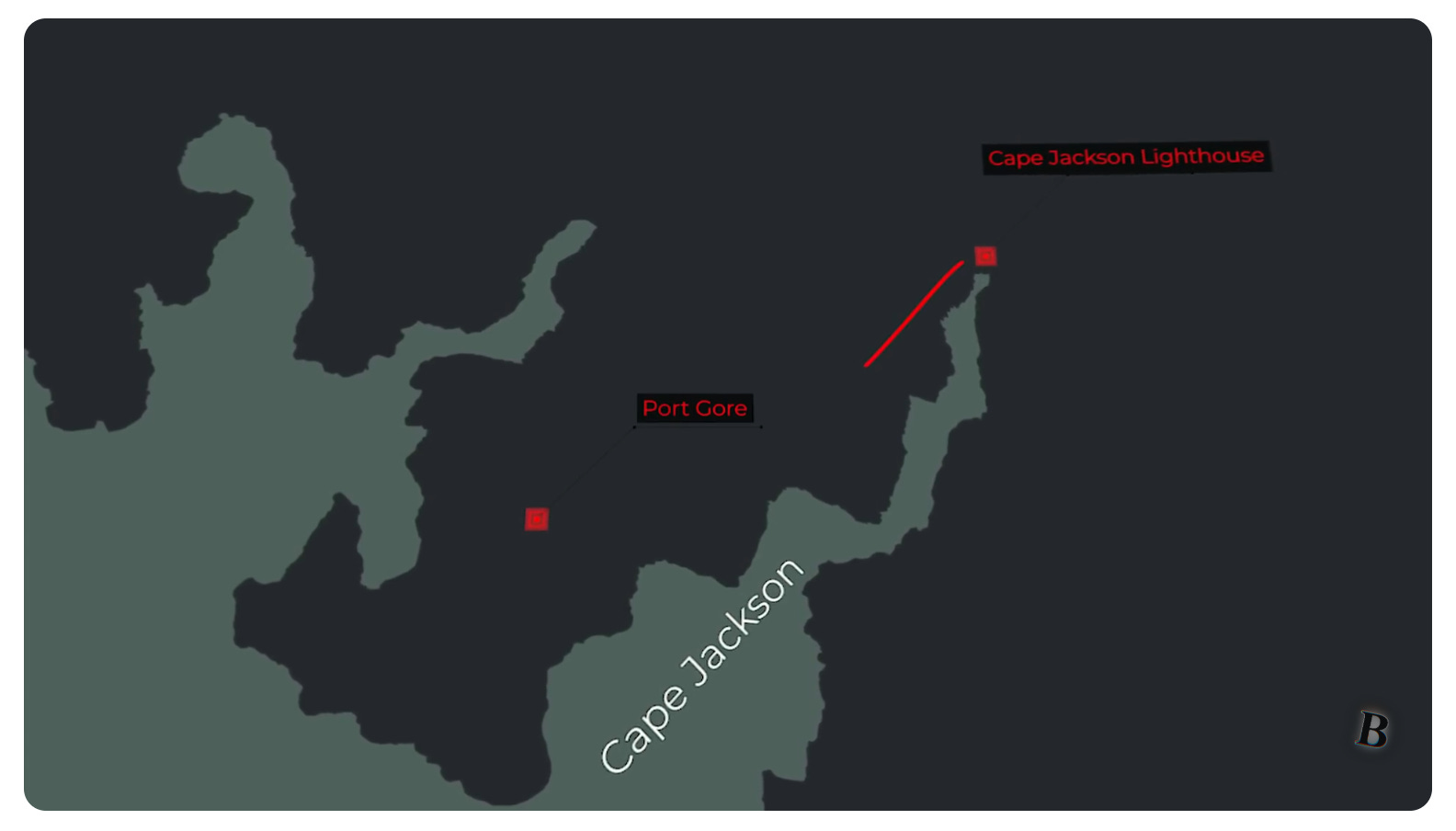
This is how the corny story of blaming Jamison occurred. Corny, because who in their right mind would obey a local pilot telling them to take a 20,000-tonne ship into a narrow channel between the headland and the lighthouse on the reef — instead of out into the open sea on the starboard side of the lighthouse, and well within view?
The Lermontov bridge crew were recruited into the French plot to sabotage the vessel.
Captain Jamison was threatened with a manslaughter charge if he didn’t toe the line, for causing a drowning in the first minutes of calamity. Refrigeration Engineer Parvee Zagliadimov, who working in the Refrigration Compartment, was officially never found and was believed to have drowned with the rapid inflow of seawater.
There was no trial in New Zealand, so the forum to contest the blame was forgone.
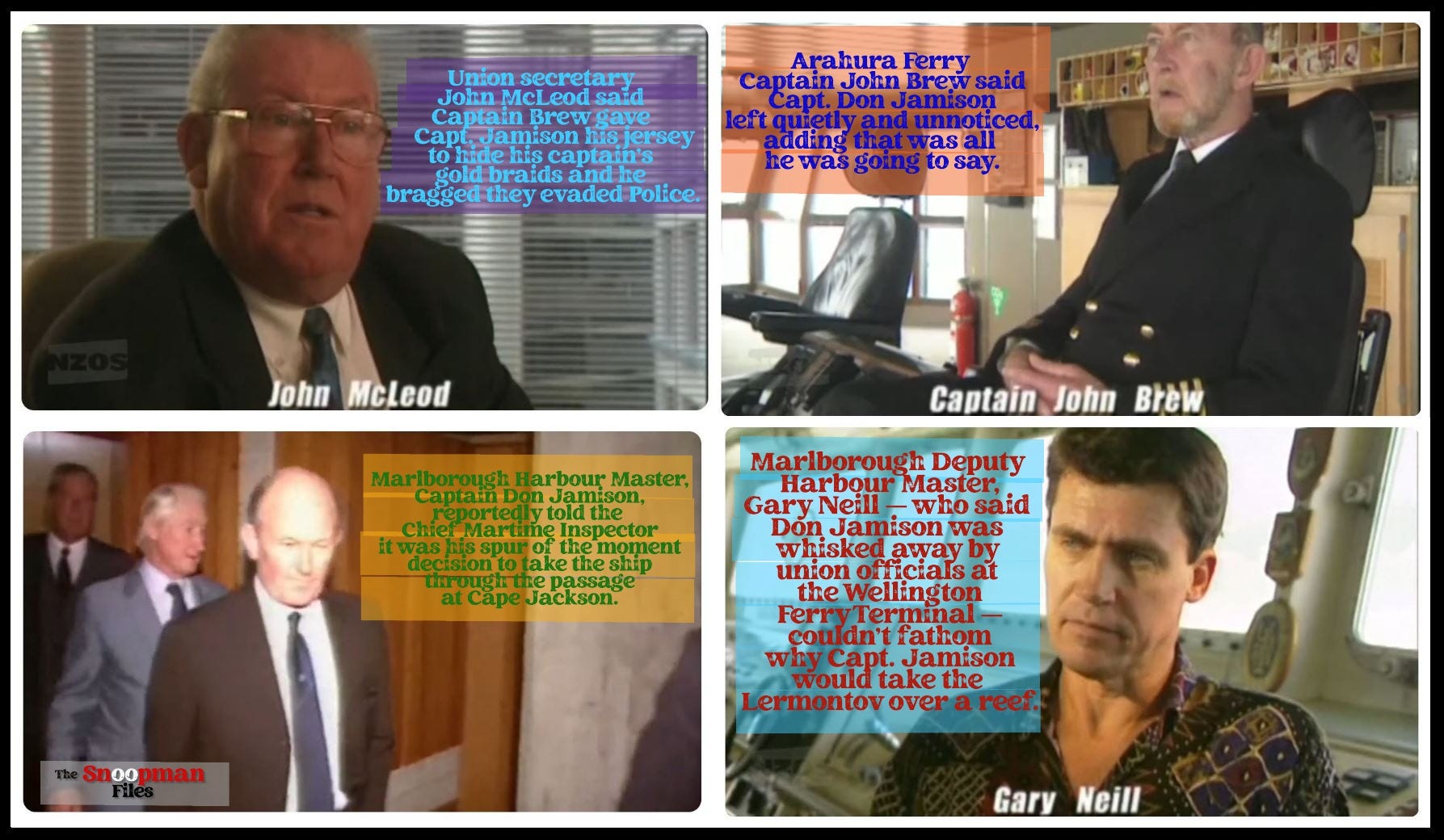
In an interview for the documentary, Destination Disaster: The Sinking of the Mikhail Lermontov, Chief Marine Inspector, Captain Steve J. Ponsford claimed he established the facts leading up to the sinking, and a formal investigation in a court would achieve nothing further. Any smart nine-year old reading the newspaper would have coughed, “cover-up”, over his or her skippy cornies, and let them go soggy, while reading on.
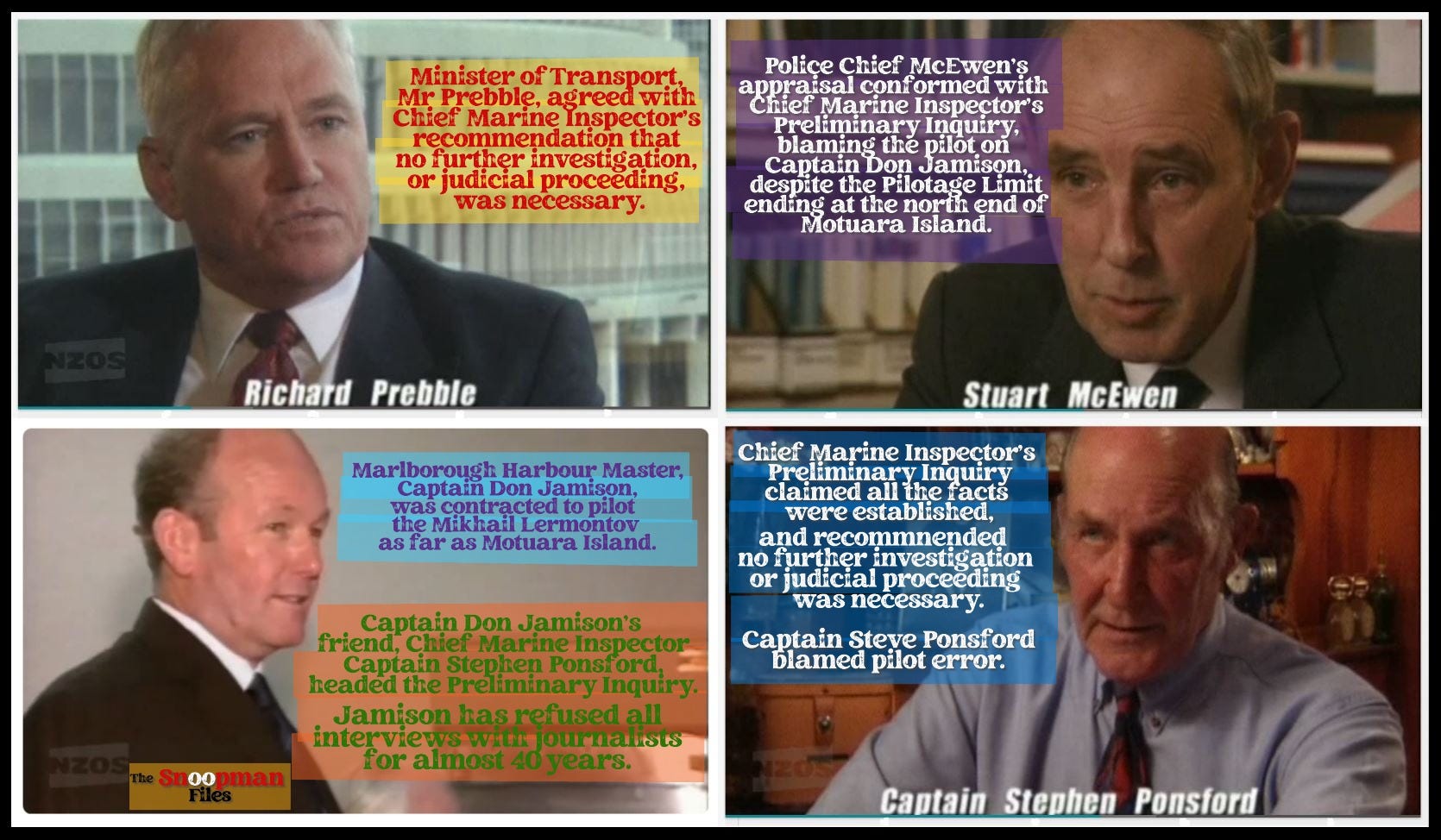
The Chief Marine Inspector said that he had known Captain Jamison for many years, as a friend and as a seasoned sailor. Yet, these conflicts of interest were no bother to New Zealand’s Minister of Transport, Richard Prebble, who stated before the Parliamentary Press Gallery that the cause of the grounding was the pilot’s decision to take the narrow passage between Cape Jackson Lighthouse and Cape Jackson.
Indeed, casting Captain Ponsford was critical to communicating ‘cooperation’ since the Chief Marine Inspector’s friendship with the Marlborough Harbour Master worked to signal safety to the scapegoated pilot, Captain Jamison. With Jamison’s buy-in, Ponsford would ensure the investigation would be a whitewash and go no further.
And, Minister Prebble accepted Captain Ponsford’s recommendation that there be no further inquiry or court case. As Destination Disaster observed, there was much evidence and counter-accounts that should have been scrutinized in a rigorous court trial. Jamison had been a Harbour Master pilot in the Marlborough Sounds since 1970.
The stakes were high with 743 humans aboard. Without the bravery of local sailors in 23 small vessels, and of a ferry and a tanker, who over-rode stand-down orders and a navy launch, the event could’ve been an epic tragedy instead of completing a hattrick of New Zealand’s under-performing darkest days, following the Trades Hall Bombing and the Rainbow Warrior Bombing. In all three, one person died apiece, amazingly.
After gaining a quick assessment of the damage below from his crew, Captain Vladislav Vorobyov ordered the general alarm to be sounded six minutes after the collision. With this switch, the water tight doors shut and pumps were automatically activated. But with the hull gashed half a meter wide over a length of 25 meters, Captain Vorobyov calculated at around 6pm the ship would sink in four hours.
At 7.15pm, seawater in the engine room overwhelmed the electrical circuitry and mechanical mechanisms and the engines cut out and couldn’t be restarted. The attempt to beach the ship in Port Gore Sound failed and the 155m long ship slipped away from the shore into deeper water. While the ship was sinking, the noise was said to be deafening as bulkheads blew under huge water pressures. As gushes of air were forced outward, sounds of hissing, whistling, and squealing emitted, and buckling, breaking and booming explosions, and then silence soon after it sank at 10.27pm.
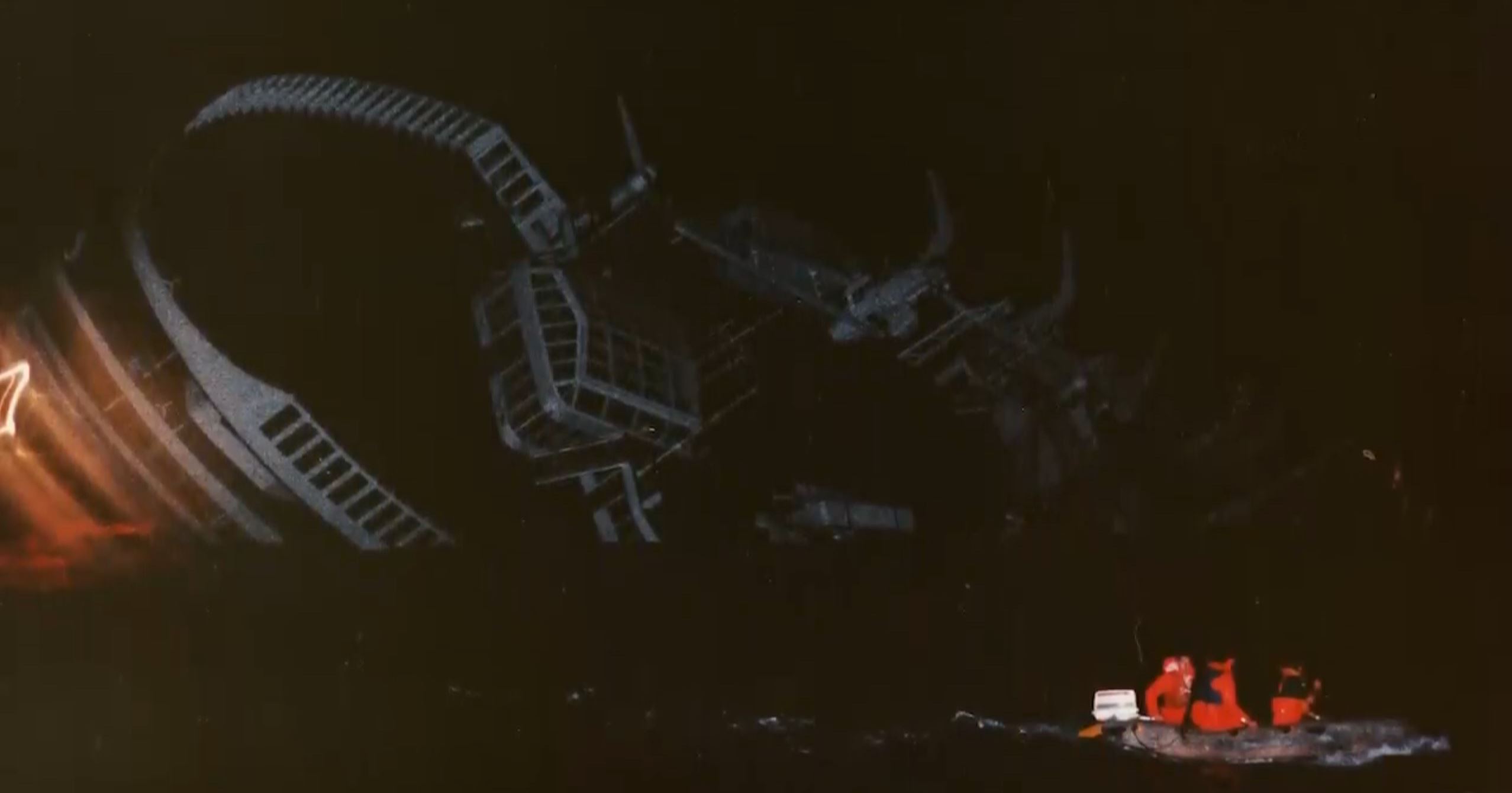
Due to the rescue efforts, 742 survived and only one perished. At 11pm, the NZ sailors pointed lights in a cross pattern over the area where the Lermontov had sank. A storm of tears followed. All of the passengers, crew and the sailors who came to the rescue cried. Little did they know, the calamity had the evil hallmarks of a staged sabotage.
Without embarrassment, the anomalies dropped proudly like budgies shit in cages while attention seeking. Where the death of the Rainbow Warrior photographer, Fernando Pereira, had triggered a homicide inquiry, the death of Pavel Zaglyadimov did not even trigger a prosecution for murder or manslaughter. Enter Police Chief Stuart McEwen at stage left. He construed manslaughter was not an option because the body of Refrigeration Engineer Parvee Zagliadimov was officially never found.
Inspector Owen Dance said communications were difficult between the Wellington Rescue Coordination Centre and the Port Gore Communications due to geography, as well as the high volume of radio traffic. There was controversy over who cancelled a MAYDAY call. Accusations flew that it was the New Zealand pilot, Captain Jamison, or whether it was the ship’s Master, Russian Captain Vorobyov. Or, perhaps it was a message inserted into the busy traffic by an intelligence agency, or by the NZ Navy.
Curiously, Mr Dance claimed he was told by several mariners at the Rescue Coordination Centre (RCC), who evidently reckoned it should have been possible to get the ship through the gap, as long as the tide and ship’s position were right.
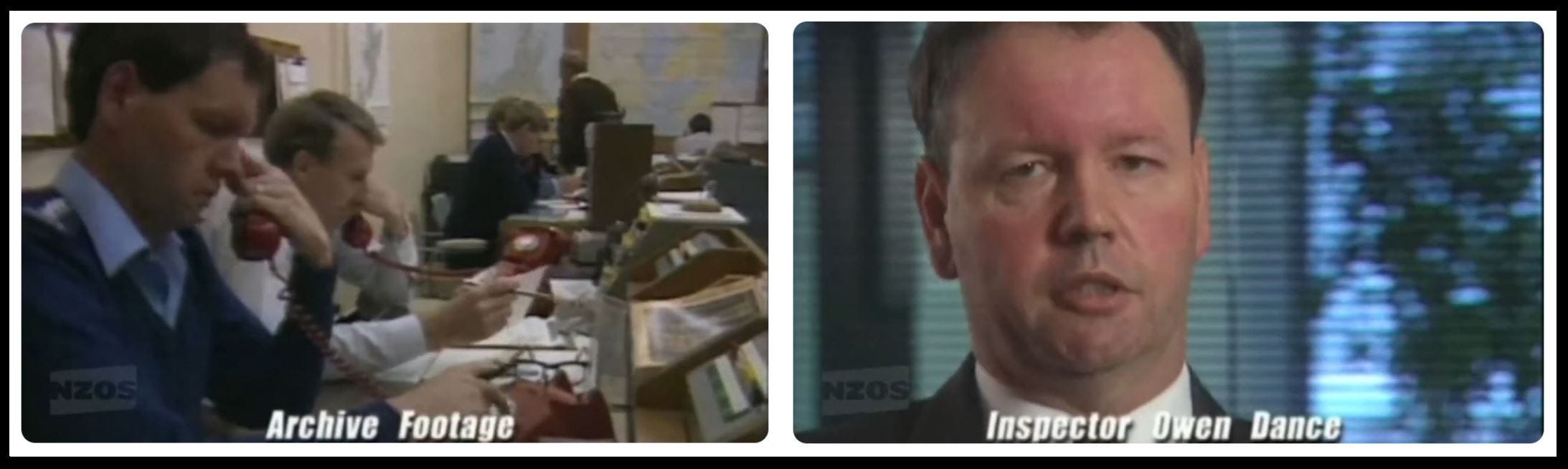
But, Nimrod sailor, Dave Fishburn, said that although there’s room for a ship with a 100-foot wide berth to make it, the running tide would catch the ship as it sailed through and the bow would get caught on the rocks on the portside or starboard hull.
It seems the ‘Reckoning Mariners’, who were at the Rescue Coordination Centre, ran rings around Mr Dance, whose answers to the Destination Disaster film-crew appeared to typify the gullibility of so many of Wellington’s state managers. Ergo, the ‘Reckoning Mariners’ appeared to perform the function of seeding a narrative to confuse, while providing a cover-story to deflect probing attention from a staged plot.
The cryptocracy exploits individual, institutional and ideological vulnerabilities.
Since Captain Jamison was contracted to pilot the Lermontov in Milford Sound, he had stayed aboard the ship, while his deputy Captain Neill, had disembarked at 4:30pm.
Therefore, without his deputy, the Marlborough Sounds Harbour Master became ensnared in a plot to shipwreck the 20,000 tonne cruise liner. Neill was none the wiser.
Despite the Ministry of Transport conducting this ‘preliminary inquiry’ immediately after the sinking, led by Chief Marine Inspector, Captain Steve Ponsford, this ‘probe’ was done and dusted on March 6th 1986. Fittingly, the Express newspaper reported on March 7, 1986, that the inquiry found Mr Jamison was responsible, but Mr Ponsford would not say what explanation Mr Jamison gave him for trying to take the ship through the passage. Prebble claimed all of the facts were known within a day.
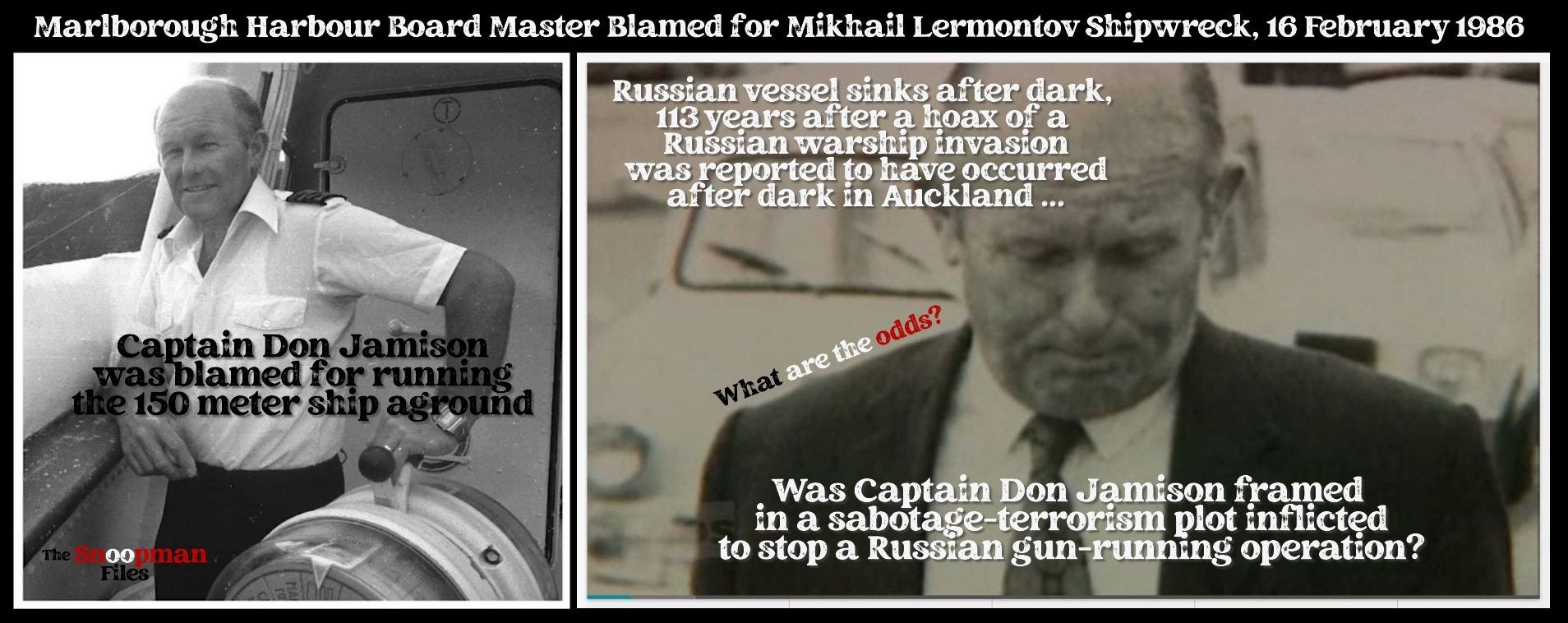
Under the Harbours Act, as pilot of the vessel, Jamison could theoretically have been prosecuted for endangering the ship or endangering the passengers. The maximum fine was $1000 or two years in prison or both. The excuse McEwen performed for not pursuing this prosecution course, was that the trial involved costs to pay for Russian witnesses to appear in a New Zealand courthouse, were considered too high to be worthwhile. But, this narrative ‘assumed’ a face value case of causes that offered four options for blame, like in a multi-choice test, with no fifth option: ‘none of the above’.
What caused the vessel to run aground on a reef marked with a lighthouse: (a) the pilot was drunk; (b) the pilot was tired; (c) the pilot was showing off; (d) the Russian crew trusted the harbour master as pilot even though he was drunk, tired and showing off?
Conspicuously, the state apparatus with prosecution powers, legal responsibilities and diplomatic relations all closed ranks, as if they had strings attached to the same puppet master in a theater company performing to a plot-line omitted from ‘the news’.
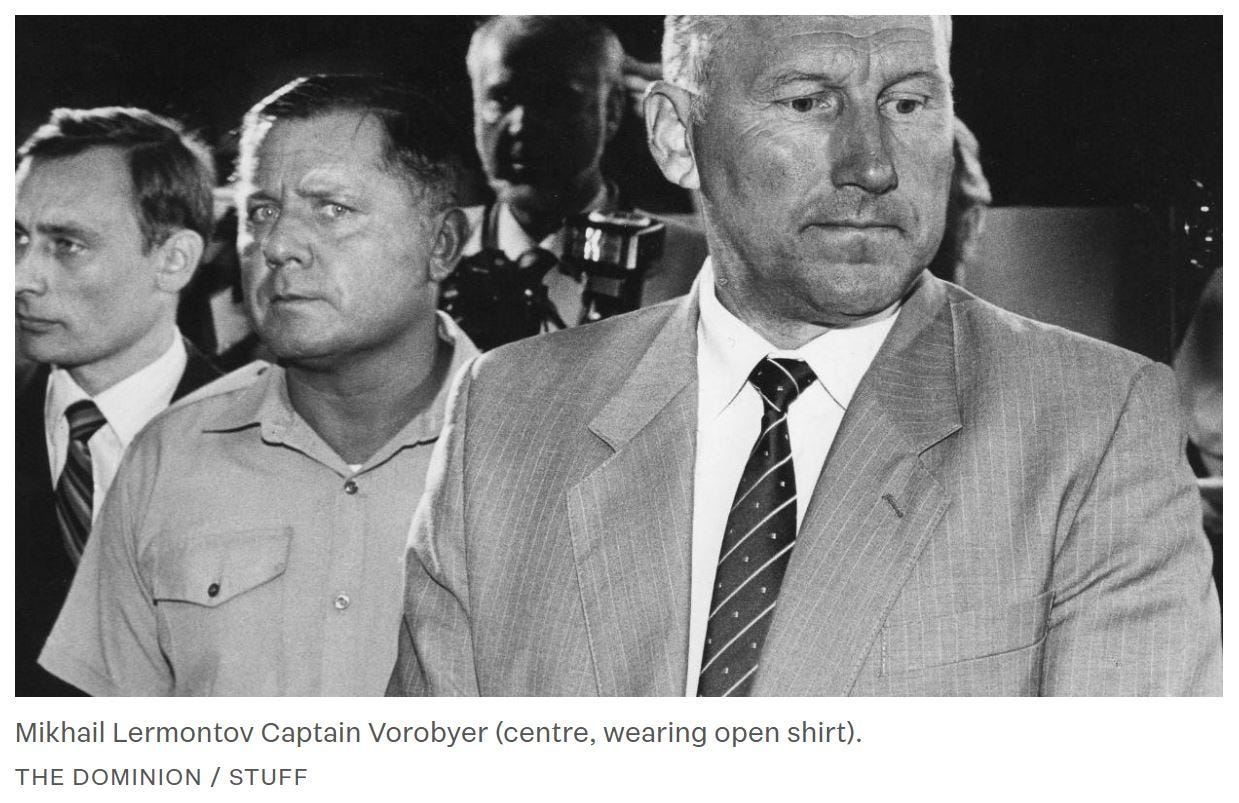
The cover-up over the strange sinking of the Mikhail Lermontov so soon after the Rainbow Warrior Sinking, becomes more intriguing when one considers how news outlets remarked upon the similarity of a Russian figure who was filmed and photographed with both Captain Vladislav Vorobyov and Chief Navigator Sergey Stephanishchev during the trans-Tasman investigations. The papers noted the figure bore an uncanny resemblance to Vladimir Putin, who at the time was a KGB agent.
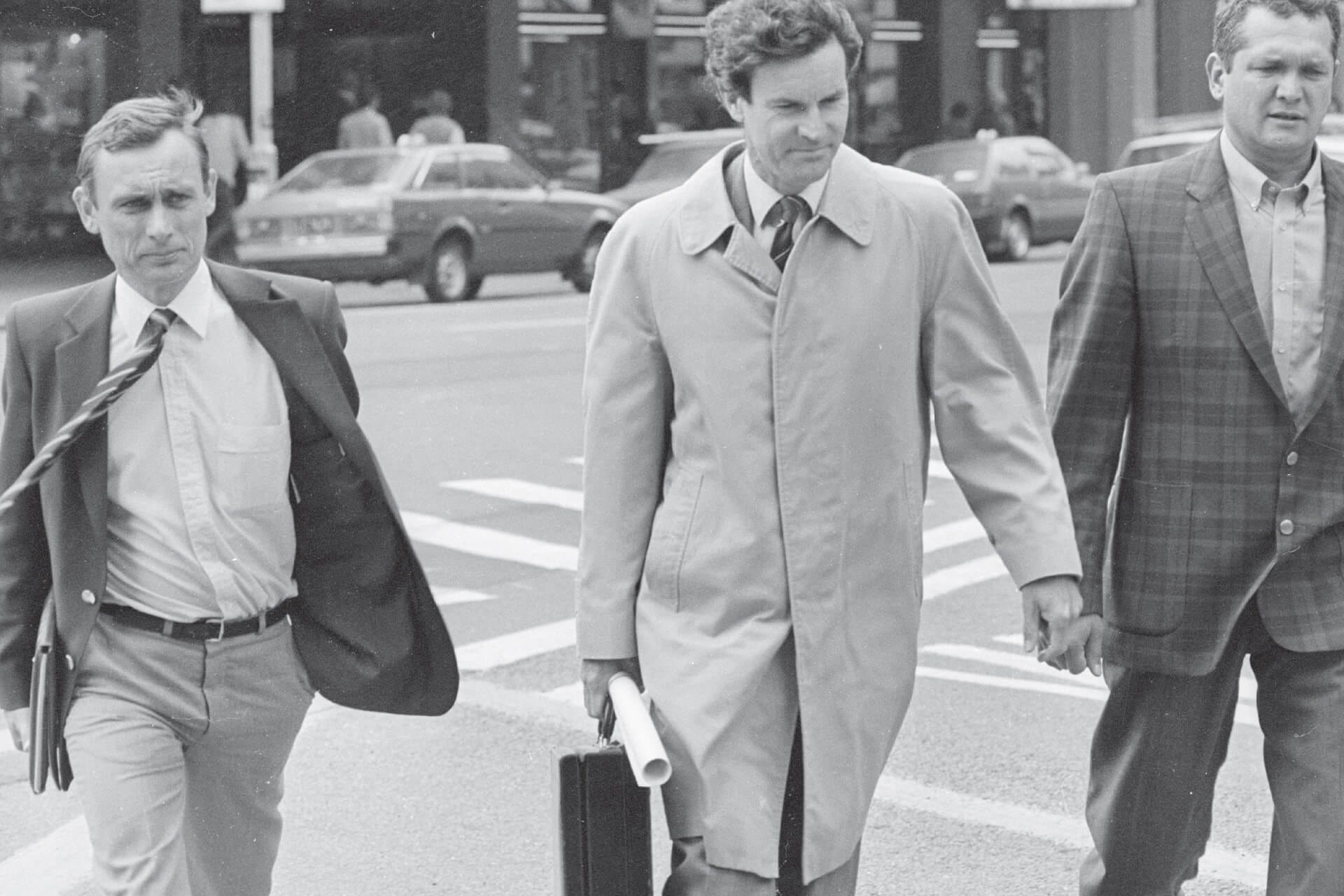
Especially, since MI6 had ‘learned’ the French DGSE were ‘planning’ to use New Zealand as a staging post to foil a gun-running ring to Melanesians in French New Caledonia, as the Rainbow Warrior: The French Attempt to Sink Greenpeace, mentions.
After all, it was common knowledge throughout the so-called ‘Cold War’ that the Russians were supplying arms to independence movements across the world.
Mikhail Lermontov had undergone a US$15 million refit and strengthened for ice in 1981 to make all of the passenger cabins contain their own bathrooms. This reduced the maximum number of passengers from 750, to carry 550. At the time, there were 372 passengers and 348 crew, plus 13 British and 9 Australian “Charter Travel Club” (CTC) staff. Perhaps, during the refit, compartments were built to hide guns.
In Vogue Industry, Angel Austin wrote (25 January 2025), the Mikhail Lermontov as a luxury cruise ship quickly became the leader among all Soviet Ministry of the Navy passenger ships, since it had state of the art equipment. It was built under Project 301 in the shipyards Wismar City, since the Soviets continued to demand merchant ships as ‘war reparations’ from World War II, even though airline travel was taking off.
Evidently, the Mikhail Lermontov could out-run the French Navy’s frigates. The vessel appeared to be dual purposed, and would go along way to explaining ‘Project 301’, as a Cold War-era military intelligence operation. It was greeted with an ‘Allied Exposure’.
If it seems outlandish that the Russians might have been using the Mikhail Lermontov as an arms trafficking vessel to overthrow the French by arming the Kanaks as proxies, to achieve an objective of gaining New Caledonia for the Russian Empire, then consider some circumstantial evidence that the passenger liner had a double life.
In testimony to the N.Z. Department of Transport’s ‘Preliminary Inquiry’, a Radio Officer, Anatoliy Krutkov stated upon hearing the shocks he rushed to the main radio room. The first thing the Chief Radio Officer did was instruct the three radio operators to establish communications with Vladivostok Radio Station, home of Soviet Navy Intelligence, and it’s Pacific submarine fleet headquarters. Intriguing?
On request, Vladivostok allotted a separate frequency for their radio communications.
Krutkov said the Chief Radio Officer, Mr. Moskovkin, reached the Russian Embassy in Wellington and gained the home phone number for Mr Ivanchishin the Russian Ambassador to New Zealand in Wellington. Moskovin reached Ivanchishin by satellite radiotelephone. Vorobyov told Ivanchishin about the ship’s state of peril.
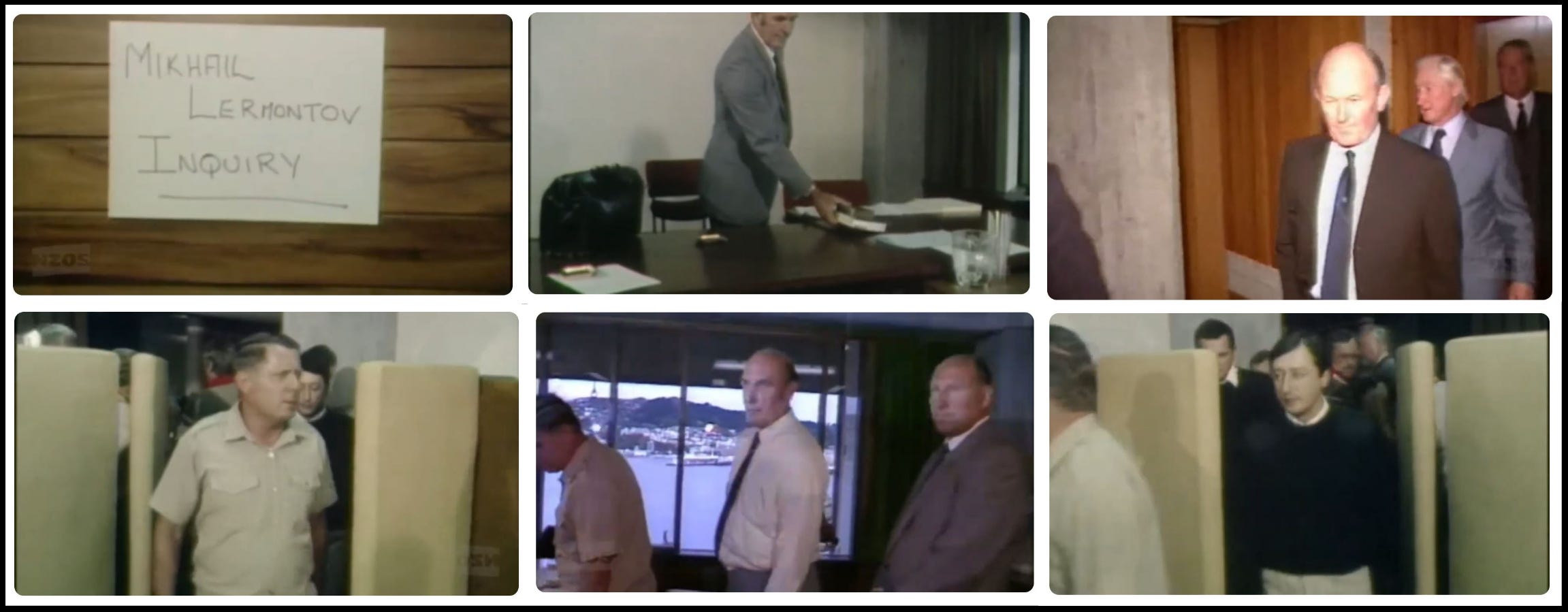
A report marked “top secret” that was found in David Lange’s private papers reveals the Government Communications Security Bureau (GCSB), the government’s electronic spy agency, had received specific sections of the ship’s bridge log, the captain’s log and the engine room log. These communications, that were marked “top secret umbra” were passed to Defence (GCSB) for translation for the Department of Transport marine inquiry, noted the file entitled GCSB ANNUAL REPORT 1985/86.
The director of the GCSB, Colin Hanson, described the relationship between the agency and other government agencies as a “mixed state of official caution and private cordiality”, reported the Sunday Star Times in 2006, following Lange’s death in 2005. The volume of overseas intelligence reports increased by 33% in 1986, compared to the previous year, according to the GCSB, which was unregulated until 1996, due to the impending publication of Nicky Hager’s Secret Power; it was set to expose the agency.
Ergo, intelligence traffic improved over 1986; a year kicked off by the Lermontov saga.
In 2023, Hager named four men as the greatest opponents of Lange’s Government.
Secretary of Foreign Affairs, Merwyn Norrish, along the Chief of Defence Staff, Ewan Jamieson, the Secretary of Defence, Denis McLean, and the head of the prime minister’s department, Gerald Hensley, formed an informal group of pro-ANZUS military alliance officials, who set out to undermine Labour’s nuclear-free policy.
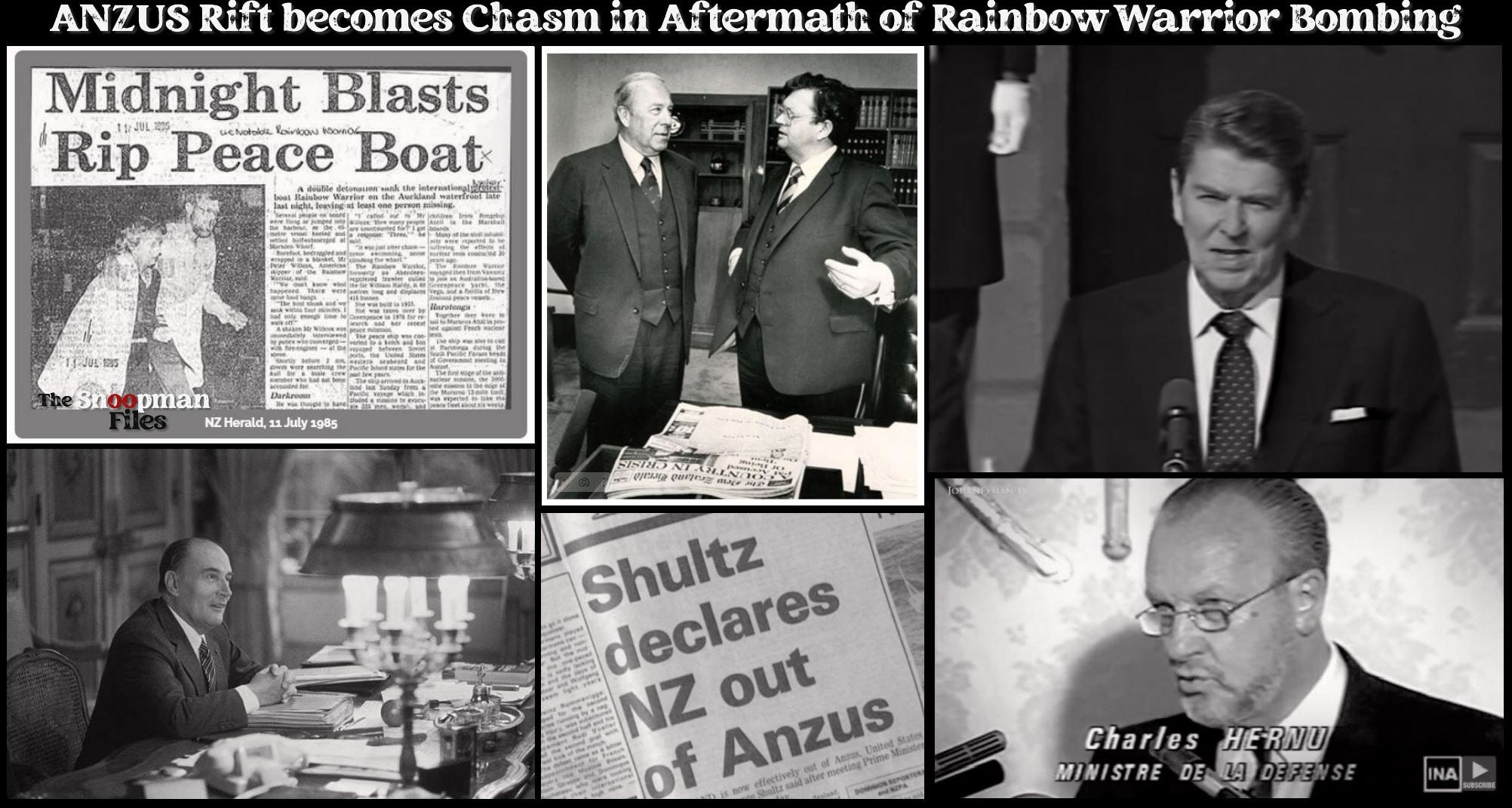
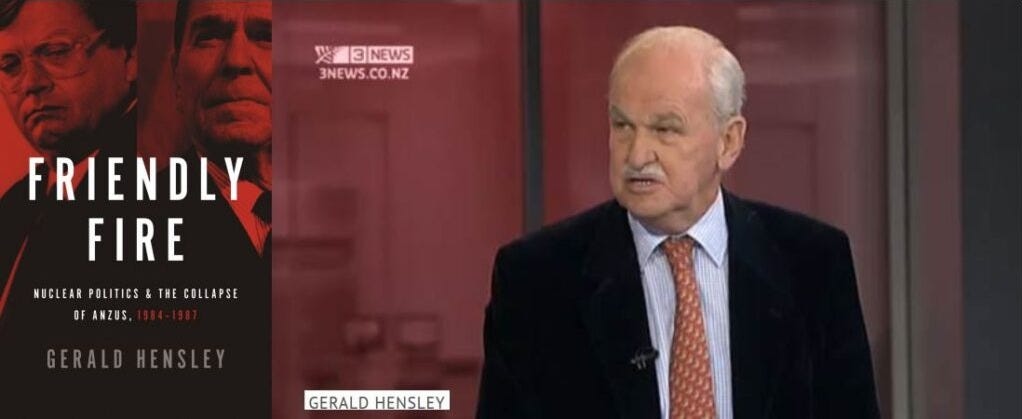
Hensley was the head of the Prime Minister’s Department at the time of the Rainbow Warrior conspiracy. He was also chairman of New Zealand’s Intelligence Council, and he also just happened to be the Chairman of the Officials Terrorism Committee. Thus, Hensley oversaw the 17 secret meetings of Officials Terrorism Committee associated with the Warrior bomb plot. The New Zealand Security Intelligence Service (NZSIS) stated there was no final report produced by this Officials Terrorism Committee, and no minutes were taken of the 17 Rainbow Warrior meetings. In his book, Friendly Fire: Nuclear Politics & the Collapse of ANZUS, 1984-1987, published in 2013, Hensley avoided devoting a chapter to the Warrior Bombing. This way he could mention the Rainbow Warrior Affair without answering how and why the scope of the investigation was restricted. Whereas, the New Zealand Security Intelligence Service’s top secret summary report entitled “Rainbow Warrior – An SIS Perspective”, which was declassified in 2017, with moderate redactions, mentions Hensley chaired the meetings. The SIS claimed they advocated for the scope of the investigation to be widened once the two French agents were caught. The redacted version of the SIS summary report failed to explain why it took a day-and-a-half for the Beehive’s Terrorism Committee to convene, given the Navy and the Police knew before dawn on July 11th, that the Warrior had been attacked. Were they too busy at a convention with the New Zealand Business Roundtable, playing Monopoly: The New Zealand Edition?
How ironic that the date July 11th would thematically riff off New Zealand history.
By daybreak on 11 July 1840, the presence of the French Navy in Russell was evident.
It was predictable that by dawn on 11 July 1985, New Zealand’s Royal Navy divers would prove the Warrior was bombed. Ergo, as a proven case of state-sponsored terrorism, the Warrior bomb plob that happened at a port located in a place once called Commercial Bay, in a harbour mapped by HMS Britomart contains metaphor-laden historical riffing. If the bombs exploded after midnight, the plot would still have riffed with French ‘historical notes’, and conveyed the authorship in the July 11th.
And, back in 1772, on 11 July, French naval officers aboard the Marquis de Castries and the Mascarin proclaimed possession of New Zealand in the name of King Louis XV.
The historical date riffs signalled France’s imperial rivalry with Britain for sovereignty.
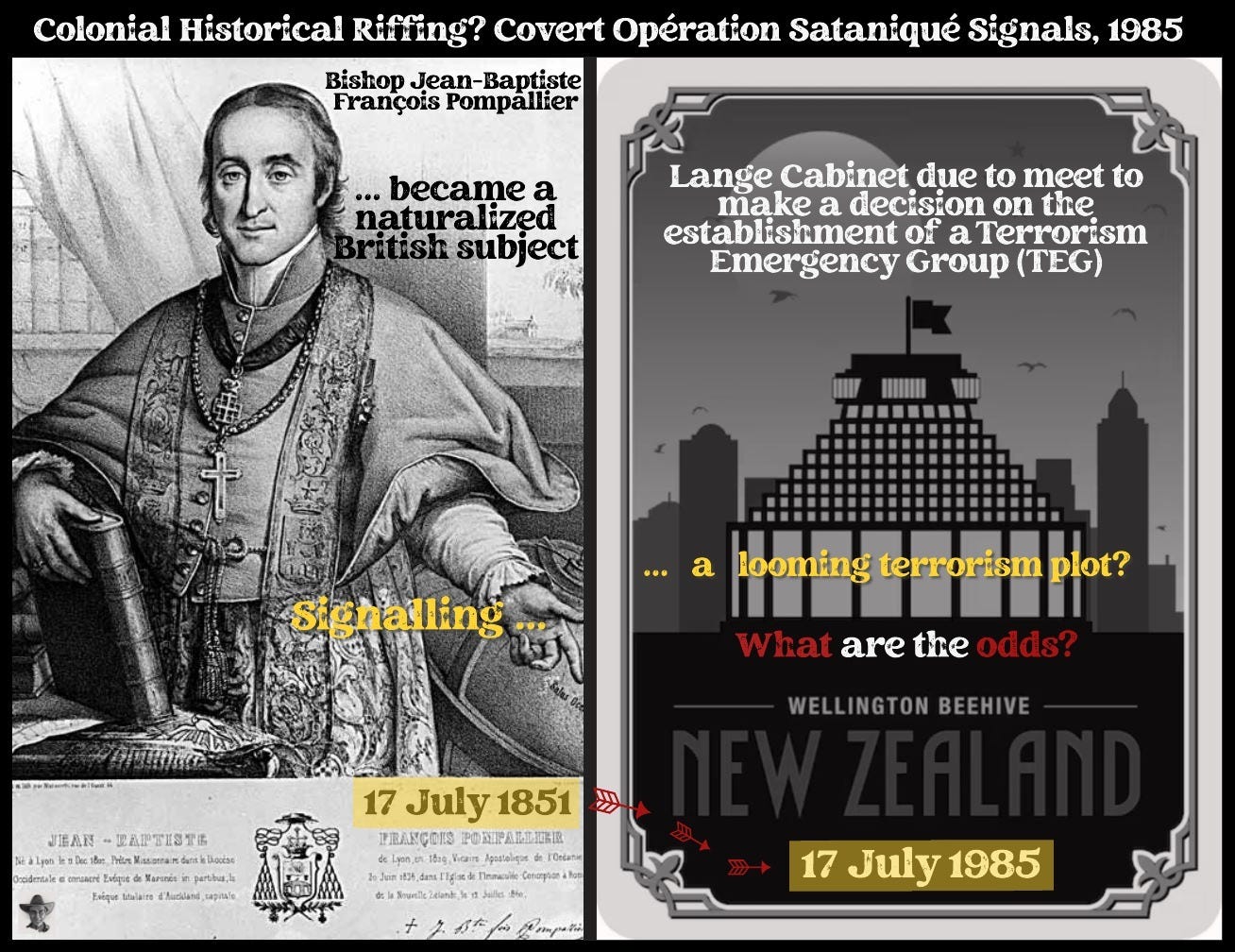
A top secret report, written by an official at the New Zealand Security Intelligence Service, explained away the timing of the bombing as ‘Sod’s Law’. It turns out that the Lange Cabinet was due to meet on July 17th to make a decision on the establishment of a Terrorism Emergency Group (TEG), which had been recommended by the Officials Terrorism Committee in a paper submitted to the Cabinet Committee on Terrorism around July 2 of 1985. It meant the attack also conveniently happened before intelligence support staff were moved from the Police Headquarters to the Government’s Headquarters at the Beehive in Wellington. What are the odds?
This Terrorism Emergency Group was to be chaired by the Prime Minister, and would include Cabinet and Officials, and meet in the Civil Defence Command Headquarters.
Not surprisingly, it appears the July 17 decision date was selected to signal that the investigations into a planned attack by the French would be controlled, since this date too, was marked by a French historical reference. On 17 July 1851, Bishop Pompallier became a naturalized British subject, according to It Happened Today in New Zealand.
Ironically, on 17 July 1863, the first battle of the Waikato War occurred at Koheroa Hills near Mercer, on the watch of Freemason Governor Bro. George Grey. Ergo, the colonial war to consolidate paper sovereignty with soil escalated in the Waikato on the date that the French Bishop — who had once advised a French naval captain to claim paper sovereignty over the South Island — became a naturalized subject of Queen Victoria. Therefore, the date correspondences indicate signals intelligence of a looming terrorism plot, that appeared designed to persuade the Cabinet of the need to find a way through the anti-nuclear impasse, since the culprits behind the bomb plot were supposed to get away, and remain unknown to all but the spooks in suits.
The historical date riffs signalled France had asserted sovereign power, and that key insiders with security access to the Beehive were managing the damage control.
According to the gospel of Gerald Hensley, David Lange avoided chairing the new TEG machinery, and was merely briefed because evidently his preference was to “drop in”. (Years later, Margaret Pope, Lange’s embedded speech writer who became his second wife, said that the Prime Minister never trusted Hensley). Instead of the new Terrorism Emergency Group structure being activated, the prior Officials Terrorism Committee was used, which meant Hensley chaired the meetings. Hensley claimed in a speech performed at the Stout Research Centre at Victoria University in 2004, that the crisis management machinery was revised in 1983, to bring the departmental ministers and senior officials into a single body that would deal with any such crisis.
In his 1999 book State Secrets, Ben C. Vidgen wrote about how New Zealand became a location for hosting forums, conferences and secret summits during the Halcyon Days of the anti-nuclear free furore, and the fallout over the Rainbow Warrior Bombing.
In his amusingly titled chapter six, “Here Come the Generals”, Vidgen wrote that the transnational engineering corporation, Bechtel, co-sponsored the 1985 South Pacific Forum, with the Asia Foundation, that he said had a history of providing CIA covers.
Concurrent to this 13-member Pacific Forum at Raratonga, former cabinet ministers in Muldoon’s Government met secretly in hotel rooms for private discussions.
Television New Zealand’s current affairs programme EyeWitness got wind of these secret ‘conferences’, such as ‘Red Orchestra’ and ‘Oceania’, which sounded like they could have been lifted from a draft of George Orwell’s dystopian novel, Nineteen Eight-Four. The “Honourable Men” included Muldoon’s Minister of Trade and Relations, Hugh Templeton, who used to go on Sunday walks with Ron Trotter, who chaired the corporate behemoth Fletcher Challenge, that came to own 250 companies and became a conduit for foreign ownership, while the Commerce Commission were evidently too busy playing with a Monopoly board box set to notice anything was awry.
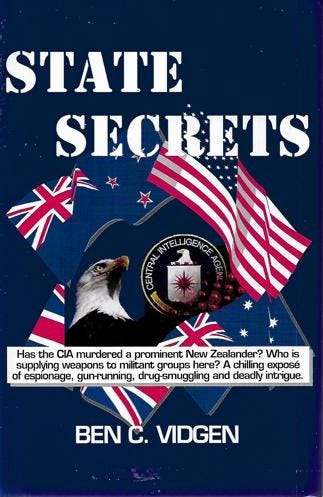
And Muldoon’s Minister of Foreign Affairs Brian Talboys. Amid dire warnings about the Soviets, Muldoon’s “Honourable Men” were meeting retired U.S. Admiral Lloyd Vasey and Herbert Levin (who Vidgen said was widely considered to be a CIA officer).
But, after the Iran-Contra Scandal broke, Vidgen said it was discovered that the code names Red Orchestra’ and ‘Oceania’, were merely fronts for Project Democracy, a Reagan era organization for a secret war out of which the Iran-Contra network sprung.
Also in attendance at these hotels visits, was former U.S. Ambassador to Australia at the time of the CIA-backed ousting of Gough Whitlam as Prime Minister, Marshal Green. Vidgen said that Wellington Confidential (January 1985) reported Ray Steiner Cline, who’d been head of CIA’s Directorate of Intelligence, the agency’s analytical branch, was planning to visit New Zealand in early 1985. These activities coincided with the creation of a special ANZUS project, in conjunction with Georgetown University’s Center for Strategic and International Studies, nicknamed ‘U.C.I.A’.
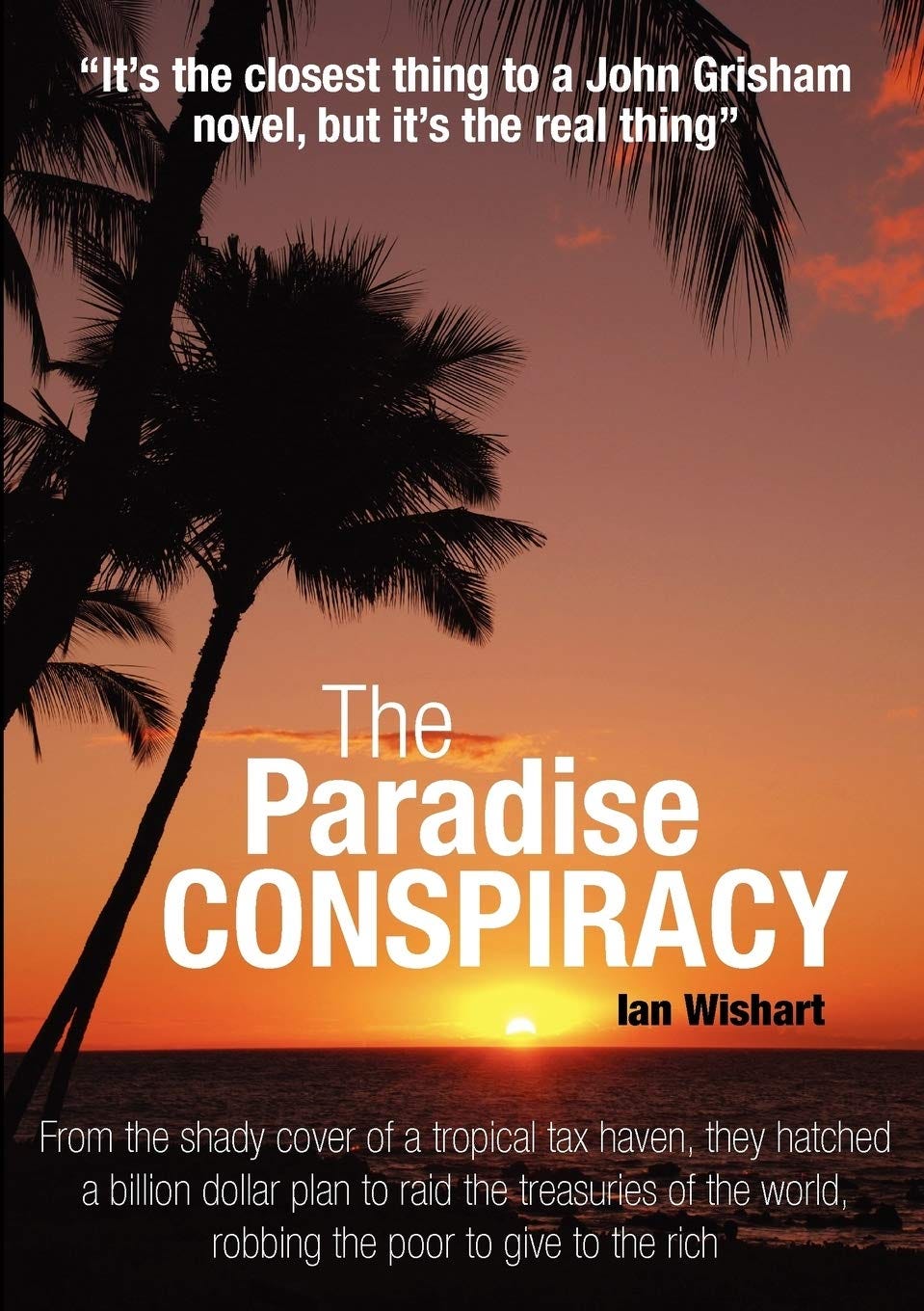
And in a chapter titled “Gold Merchants, Gun Runners and BCCI”, in Ian Wishart’s exposé, The Paradise Conspiracy (1995) there’s a reference to a New Zealand Herald article from August 1986, in which a former CIA operative warned that Lange’s Labour Government was being subjected to a CIA destabilization operation. When asked what were the signs the former CIA operative saw, Ralph W. McGeHee said:
“Well, these can range from recent visits from some pretty prominent and hawkish Americans to infiltration and destabilisation of organisations such as labour unions. You’ve recently been visited by such people as Ray S Cline, now a prominent American academic but formerly a Deputy Director of the CIA. Under his academic guise of clean, ideological inquiry, such a man is in an excellent position to push official American policy.”
Wishart wrote that he also unearthed a front-page story from the defunct New Zealand Times that reported in November 1984, that Ray Cline and Henry Kissinger, the Nixon-era National Security Advisor (i.e. CIA pointman to the White House) and Secretary of State, were making moves to set up a think-tank in Washington D.C. Evidently, Lange Government’s anti-nuclear stance was the impetus for moving the Center for Strategic and International Studies away from Georgetown University to Washington.
And so, this ‘ANZUS project’ included Kissinger, and Zbigniew Brzezinski, the Carter Administration National Security Advisor; the head of the National Security Council, who was the architect of the Russian-Mujahideen War codenamed Operation Cyclone.
As Eric Shibuya observed in his 2004 paper, “The Problems and Potential of the Pacific Islands Forum”, it was in the critical year 1985 that the South Pacific Region reached a consensus over its opposition to French nuclear testing, and found legal expression with the South Pacific Nuclear Free Zone (SPNFZ) Treaty. This consensus, reached on August 6 1985, was eventually registered at the U.N. on 11 December 1986.
Thus the forging of South Pacific Nuclear Free Zone (SPNFZ) Treaty occurred at the South Pacific Forum summit in Raratonga; the text was agreed to on August 6 1985, by which time the ‘French Connection’ to the Rainbow Warrior Bombing of July 10 was established. It was precisely the result the French Government did not want.
Given the matters at hand, these two dates carried potency. On August 6 1841, Governor Hobson received the first public seal of New Zealand. And on August 6 1914, British Secretary of State for War requested the NZ Government to seize the German wireless station at Samoa. And on 11 December 1939, an advance party of the NZ Division’s First Echelon sailed for Egypt. Ergo, sovereignty, war, and defiance of the allies’ wielding nuclear terror, all collided in these historically-themed date riffs.
Evidently, the CIA maintained their Southern Hemisphere intel base at Blenheim, where the Air Force is located, within easy harrier hawk flying distance of Picton. Reportedly, there were KGB agents aboard the Lermontov to keep an eye on the crew.
The intrigue thickens with the apparent ‘spooks in suits’ bit-part role of a man who seemed to be doing his best to be a doppelgänger of young KGB agent, Vladimir Putin.
The ‘Putin Doppelgänger’ was put on the watch detail of the Lermontov’s Chief Navigator Stephanishchev, and also Captain Vladislav Vorobyov during the inquiry.
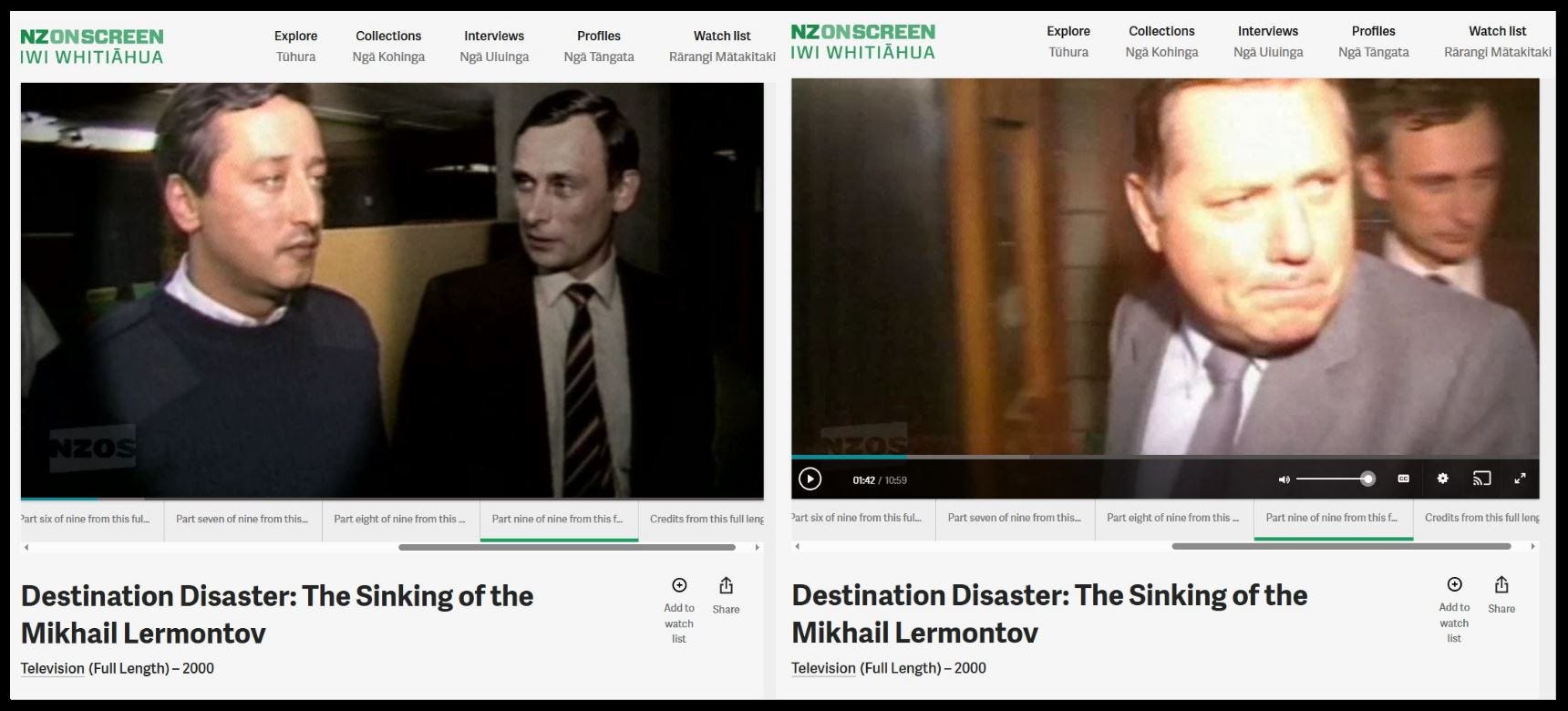
Prime Minister David Lange appeared to have sympathy for the ship’s Chief Navigator Sergey Stephanishchev, who was on the bridge. Lange said it was Captain Jamison who was legally in charge of piloting the ship. Stephanishchev was jailed for four years, while Captain Vladislav Vorobyov, was confined to a desk job for some years.
The Russians found that Stephanishchev could have over-ruled the pilot (Jamison).
Poignantly, the release of the Soviet Marine Inquiry into the Mikhail Lermontov sinking by the Office of the Transport Minister, occurred on September 1st 1986.
This date carried potency for the matters at hand, because the GCSB came into formal existence on September 1 1977, which was the anniversary of establishing the Australia-New Zealand-United States (ANZUS) military alliance in 1951. Ergo, the Transport Ministry’s release of the Russian report into the sabotage of the Soviet cruise liner, appeared to signal a special ‘ANZUS Project’ with local buy-in.
If it still seems like Australasian spies wouldn’t get up to the same intrigues as their French counterparts, consider how the Australian ‘secret service’ (ASIO) shredded documents in the aftermath of the Nugan Hand Bank collapse. This merchant bank, which had a roster of CIA shareholders, was laundering heroin money from the opium Golden Triangle of Laos, Cambodia and Thailand, and was a conduit for CIA payoffs.
As ex-TV3 News journalist Ian Wishart recounted the telling remarks of CIA spook, James Angleton, who was Chief of Counter Intelligence, to interviewers over the silent coup by to get Prime Minister Gough Whitlam sacked by Governor General Phillip Kerr in 1975. In his 1995 classic, Wishart quotes Angleton:
“I will put it this way very bluntly. No one in the Agency would ever believe that I would ever subscribe to any activity that was not coordinated with the chief of the Australian internal security.” — James Angleton, CIA Chief of Counter-Intelligence [Paradise Conspiracy, p. 115]
Whitlam had ordered documents pertaining to Pine Gap, a secret spy facility, that had been set up as part of Australia’s buy-in to the Five Eyes Echelon surveillance network. Australia’s P.M. dared to know who the foreign spies were at Pine Gap.
To convey a sense of the cooperation between, for instance, America and Australia worked to unseat Whitlam, Ray Cline told Australia’s National Times newspaper:
“The CIA would go so far as to provide information to people who would bring it to the surface in Australia. Say they stumbled onto a Whitlam error, which they were willing to pump into the system so it might be to his damage … if we provided a particular piece of information to the Australian intelligence services, they would make use of it.”
In short, the CIA officials were divulging how they can destabilize an ally government that fails to ‘toe the line’, with the cooperation of the domestic intelligence agencies’ chiefs and through operatives stoking narratives to gullible or complicit newsrooms.
In his dispatch, 40 years Ago: The Rainbow Warrior Bombing, Snoopman said those who weren’t privy to the plot set to go down in New Zealand after dark on July 10th 1985, were cast into the ‘politically deaf community’. In the aftermath, it was found that the Joint Intelligence Committee that met on Wednesdays at Whitehall, London, ‘learned’ that New Zealand was going to be used as a staging ground for a sting on a gun-running operation that was due to supply arms to the Kanaks in New Caledonia.
There was much to irk the hawkish Americans in the Reagan White House too.
After all, Lange had rejected a visit by the USS Buchanan in February 1985, after the frigate had sailed into Sydney Harbour in January the same year. Yet, the Lermontov, carrying KGB agents, could travel to New Zealand, and it appears Putin easily infiltrated the New Zealand Labour Party as a shoe salesman in the mid-1980s.
New Zealand’s Beehive officials knew of the Lermontov operation, including the top brass of NZ Navy, and Captain Jamison was threatened with jail, snoop-sources say.
➳ Summing up the Mikhail Lermontov Sinking

Since the date that the Mikhail Lermontov scraped over rocks on the shoreward side of a channel marker, and sank in Port Gore Bay on the historical date that a colonial era newspaper sparked “The Russians are Coming!” scare of 1873, this uncanny ‘coincidence’ gives away the strange sinking, as another ‘too stupid to be stupid’ crisis.
Ergo, after the fallout over the Rainbow Warrior Bombing, David Lange and key officials were brought around to staying in the good graces of the Western Alliance.
The over-arching objectives, or the meta-conflict, are signalled by the meta-data. The themed historical riffing reveals the hallmarks of a staged sinking, and it points to an alliance-sponsored operation to support France’s sovereign hold over New Caledonia.
And, because the meta-data carries the same modus operandi of ‘signals intelligence’ of a staged maritime operation so soon after the bungled French-sponsored terrorist operation of July 10 1985, and it metaphorically screamed “the Russians are coming!”, the circumstantial evidence points to a French-borne operation with local buy-in.
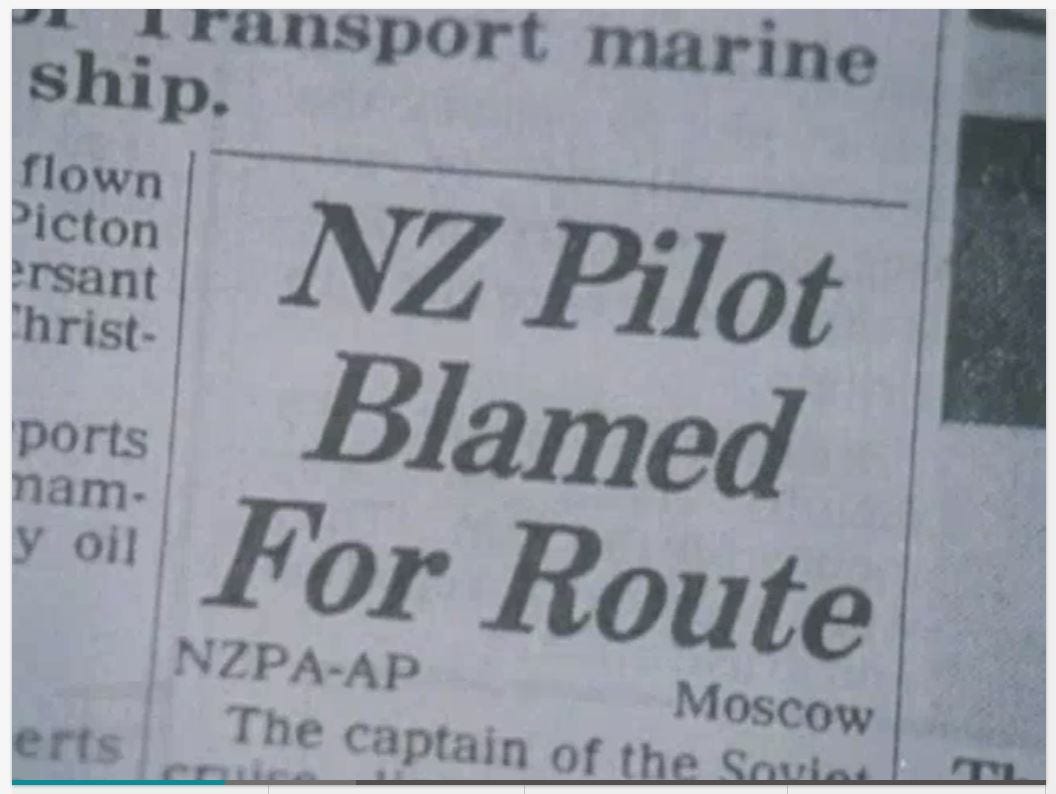
Mr Prebble said on the 20th anniversary of the sinking that as Minister of Transport, he had written to the Russians to offer an inquiry, but was told it was not necessary. Cute. The Russians held a tribunal and Australian passengers sued the ship’s owner.
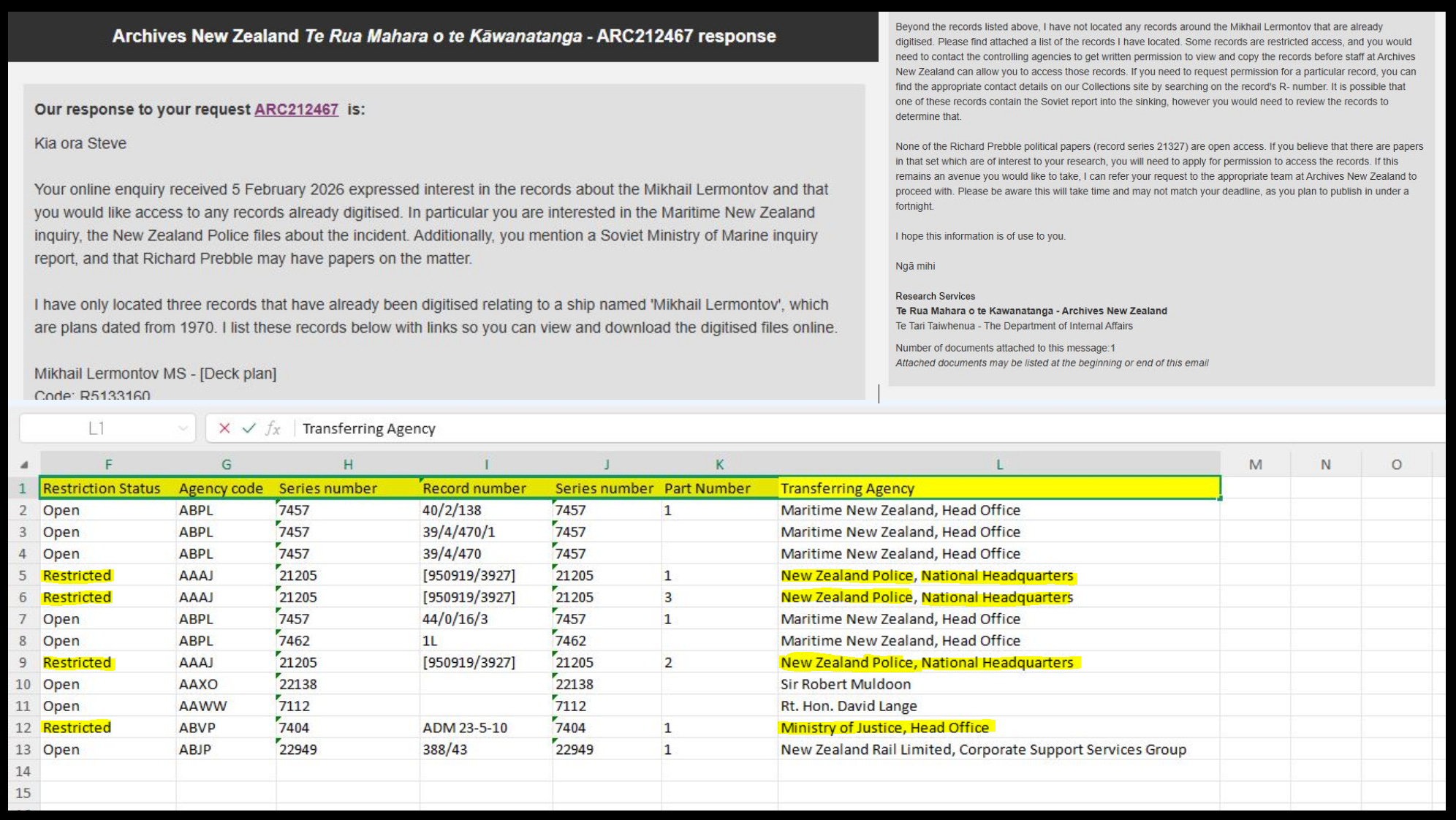
News outlets have stated that Prebble reportedly sealed documents for 50 years.
This appears to be case. The National Archives advises some records are restricted access, and require gaining written permission to view and copy the records from the “controlling agencies” before staff at Archives New Zealand can allow access.
The Mikhail Lermontov records that are restricted access, requiring such written permission, are held with the headquarters of N.Z. Police and the Justice Ministry.
Additionally, none of the Richard Prebble political papers held with Archives New Zealand (record series 21327) are open access. Prebbles’s records also require permission. Therefore, 40 years on, the state is guarded about the sabotage operation.
Therefore, there’s more to Russian President Boris Yeltsin’s quip about New Zealand being the only country to ever sink a Russian ship and get away with it.
And so, this riddle, wrapped in a mystery, inside an enigma, that is the strange sinking of the Mikhail Lermontov on the same date, February 16, that the Daily Southern Cross had claimed a hostile Russian ‘ironclad’ warship had sailed into the harbour at Auckland in 1873, had the hallmarks of a staged grounding to wreck Russia’s arms trafficking operation to New Caledonia. Snoop-sources filled out the details so that a snippet in Rainbow Warrior: The French Attempt to Sink Greenpeace by Robin Morgan and Brian Whitaker, finally made sense. The Sunday Times Insight book, stated that the DGSE had fed MI6 a cover-story prior to the Rainbow Warrior Bombing about French plans to use New Zealand as a staging post for a sting. The land down-under was allegedly being used as a trans-shipment point for a gun-running ring to Melanesians in French New Caledonia seeking independence. The French had intercepted a vessel from New Zealand with guns bound for New Caledonia, the British spooks were told.
This cover-story was fed as theater to gain buy-in from their British counterparts.
Given the treason, there was no fat-man singing when the maritime opera was over.
And so, because the mission to bomb the Rainbow Warrior, codenamed Operation Satanic, went so awry that the French Connection became world headlines, the plot to shipwreck the Mikhail Lermontov embroiled the Lange Administration well before the corny excuses were recited for the parrot media to repeat like budgies who couldn’t make out the difference between the head or tail of the scandal. New Zealand’s parrot media only knew it was a scandal. And, they could be relied upon to drop the ball when fed fresh ‘bird seed’, even though they noticed the unseemly closing of ranks.
Brazen lies spread quicker than the naked truth has the chance to stick on underwear.
This dispatch was originally posted on The Snoopman Files (February 17, 2026).
Post-Script: In his “Darkest Days by Dates Down Under” series, Snoopman surveys the curious coincidences of calamities, catastrophes, or crises that jolted the nation while power, wealth and control were accumulated. In this disturbing multi-decade sketch, Snoopman traces the creepy trail of spooky minds, who he believes plot machinations with an eye on the past and a dark vision of the future. The circumstantial evidence reveals an awful picture of each new administration becoming embroiled in a cover-up of a staged event made to appear as an accident, a natural disaster, or a crisis caused by an unhinged man, or an ‘unsolved’ crime. The modus operandi of metaphor laden-historical riffing continues because most monkeys suffer from symbol illiteracy. See also Snoopman’s “Staged Disasters Down Under” series spanning 1947 to 1968. 
Back when Steve Snoopman was ‘Snoopboy’, he delivered the Auckland Star during the dark days of the Reagan White House. He forged his superpower to ‘Thunk Evil Without Being Evil’ while writing a thesis on the Global Financial Crisis. Upon quipping Batman had failed to bust any Gotham bankers’ balls, since his ass is owned by DC Comics, he realised New Zealand needed a Snoopman.
Editor’s Note: If we have made any errors, please contact Steve Snoopman with your counter-evidence. Or, if you wish to share information related to these dispatches, by email, also briefly state the topic in the subject line, using relevant noun words, so that your email is searchable for following up later. For example, if it’s revealing how the suppressed police investigation into the Mount Erebus Crash happened, perhaps make the subject line: Erebus Police Coverup. Three to five (pro)nouns work well.
e: snoopman72@proton.me
SEE related: Darkest Days by Dates Down Under series introduction
Moving a Mountain — The Crash of Flight TE901: November 28 1979
Darkest Days by Dates Down Under: Part 1 [The Snoopman Files]
The Great Divide — 1981 Springbok Rugby Tour, New Zealand
Darkest Days by Dates Down Under: Part 2 [The Snoopman Files]
Transport Themed Terrorism — Wellington Trades Hall Bombing, March 27 1984
Darkest Days by Dates Down Under: Part 3 [The Snoopman Files]
Kiwi Dollar Weaponized as Ransom Notes — ‘Bastille Day’ Currency Crisis, 1984 Darkest Days by Dates Down Under: Part 4 [The Snoopman Files]
Accommodating France — Rainbow Warrior Bombing, 10 July 1985
Darkest Days by Dates Down Under: Part 5 [The Snoopman Files]
The Russians are Coming! The Mikhail Lermontov Sinking, 16 February 1986 Darkest Days by Dates Down Under: Part 6 [The Snoopman Files]
Ballantynes’ Fire, 18 November 1947 — Death Toll: 41 Staged Disasters Down Under: Part 1 [The Snoopman Files]
Tangiwai Railway Disaster, 24 December 1953 — Death Toll: 151 Staged Disasters Down Under: Part 2 [The Snoopman Files]
“Terror Archipelago Down Under? Pt 1 Industrial Sabotage, Ritual Terrorism, and Police State Formation in New Zealand” [The Snoopman Files]
“Into the Erebus Abyss — Air New Zealand Flight TE901 Rabbit Hole Redux” “Terror Archipelago Down Under?” Part 2 [The Snoopman Files]